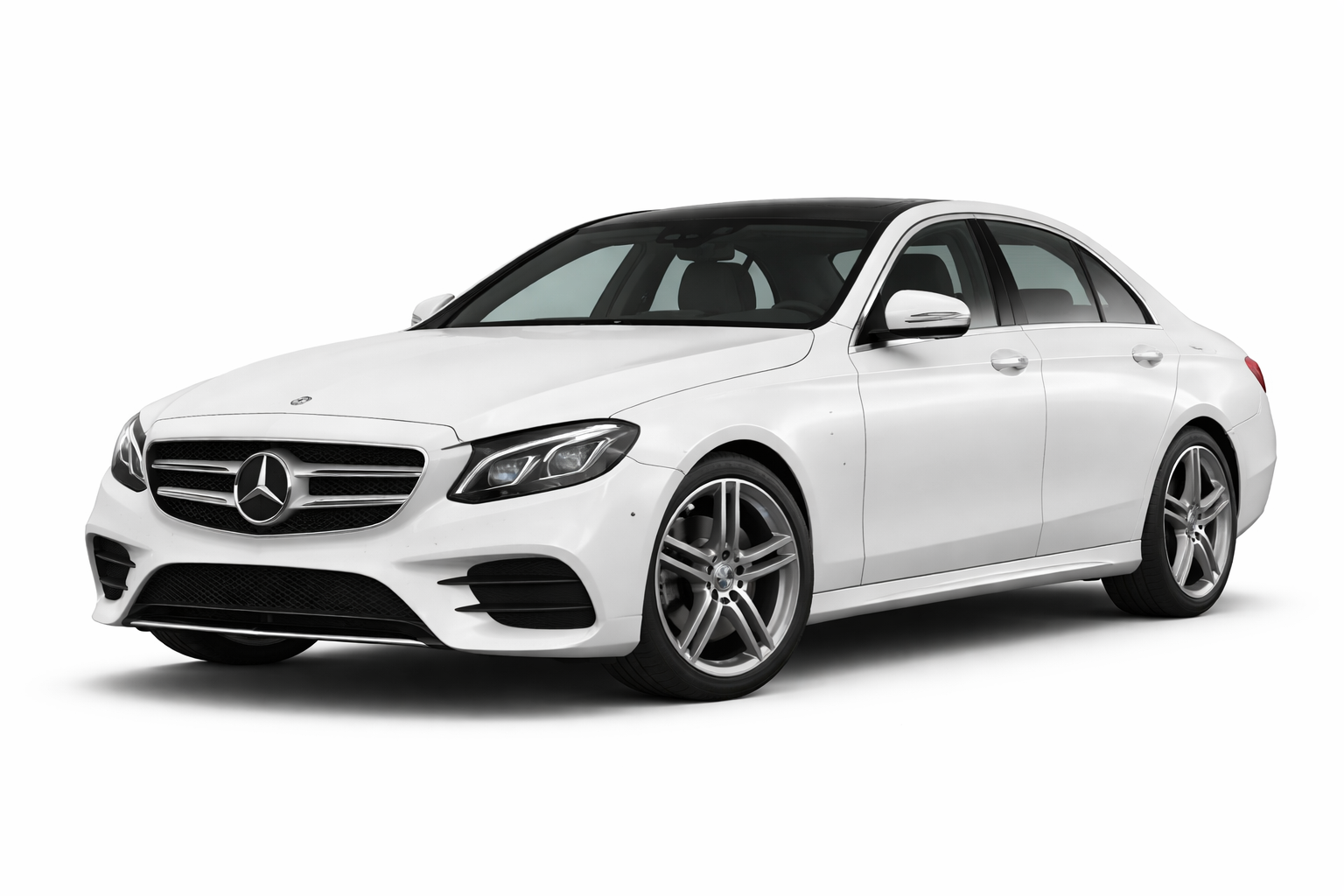
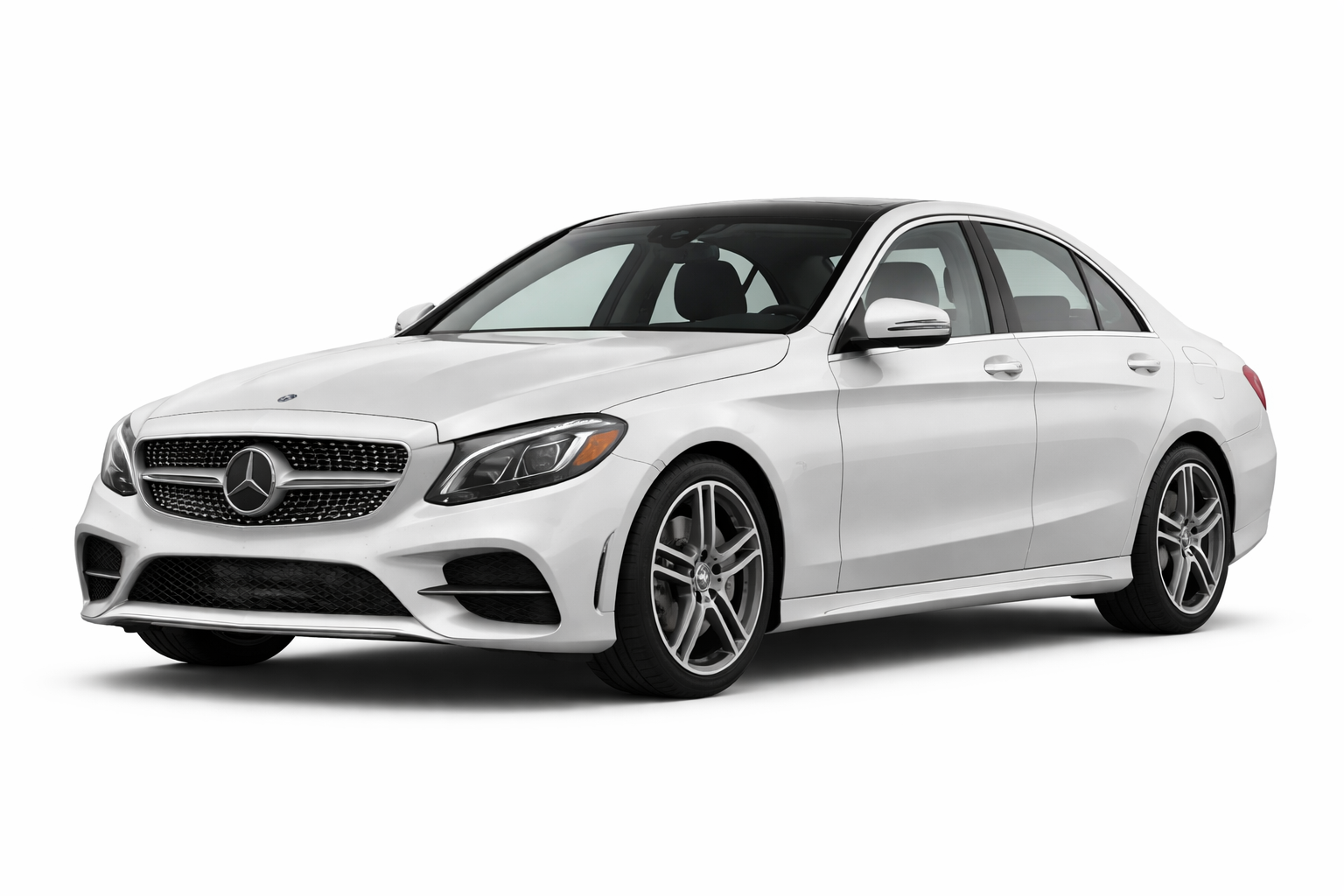
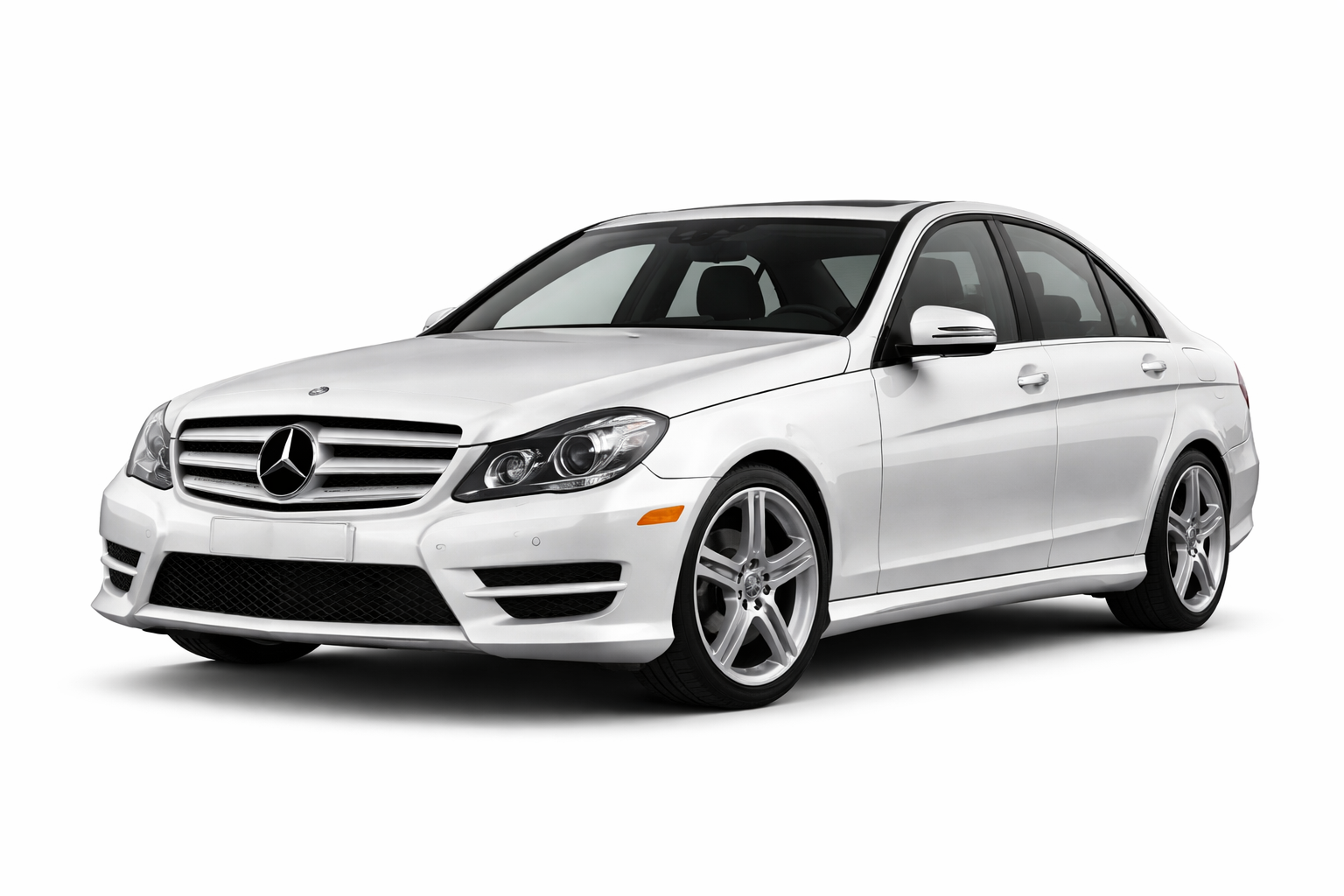
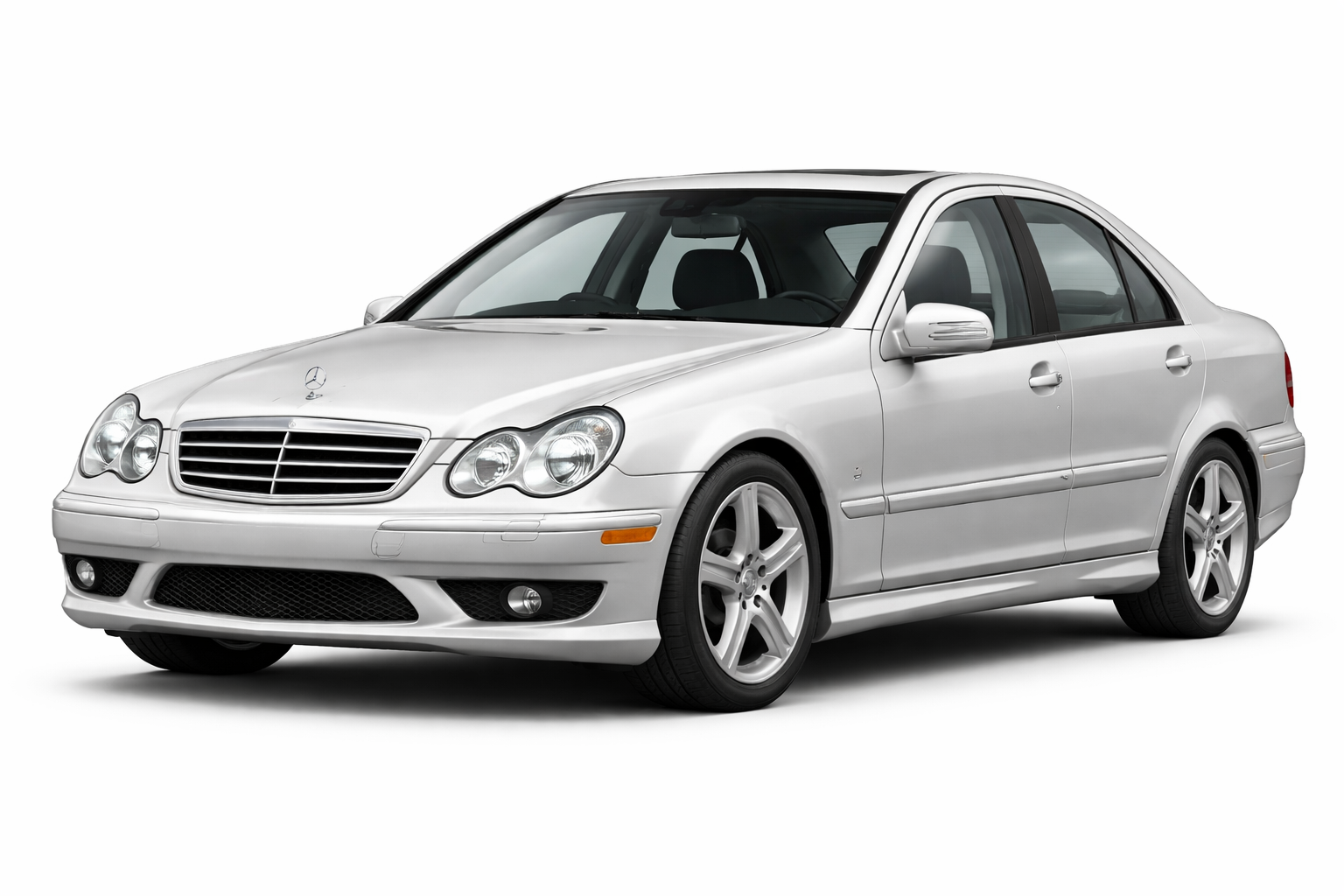
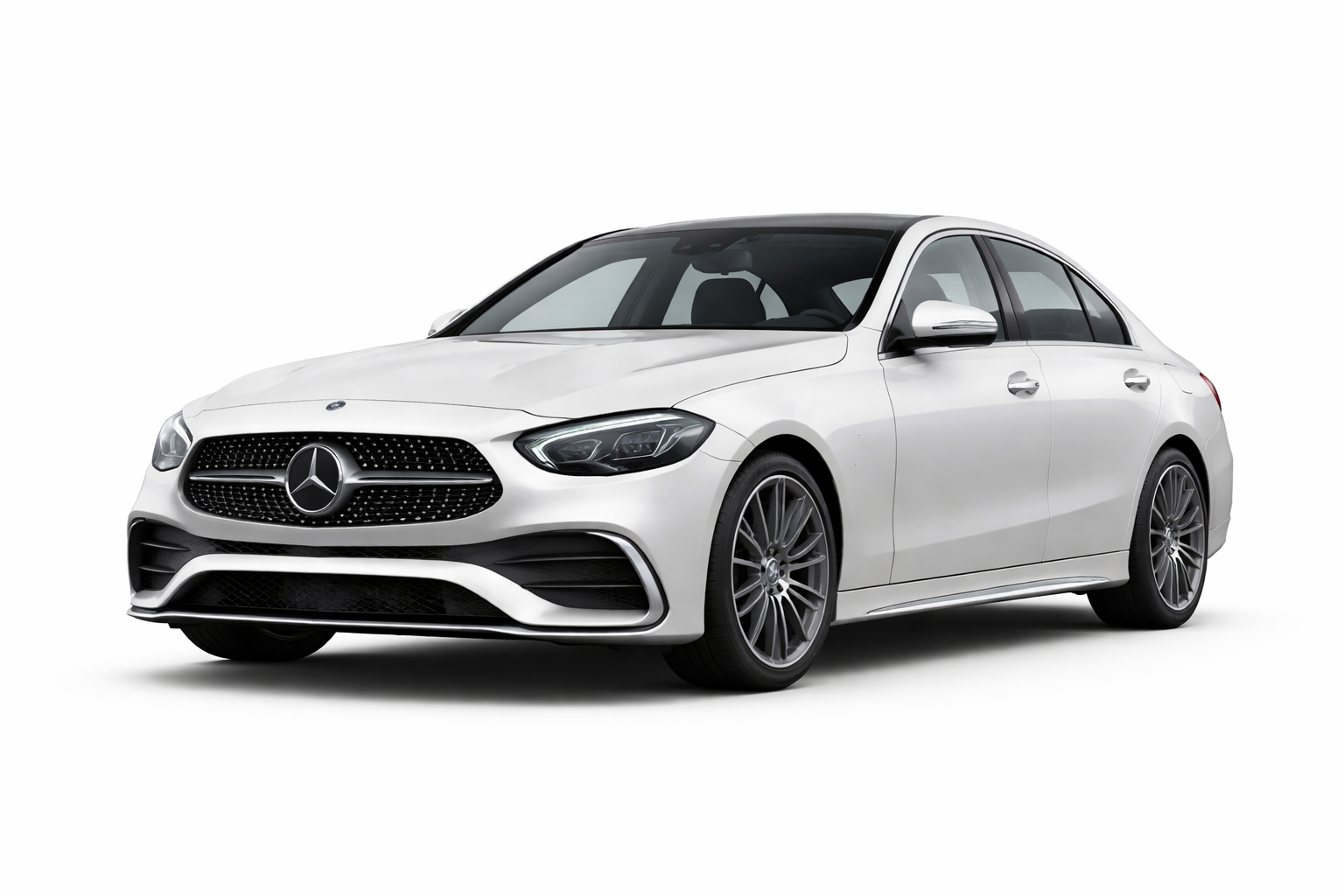
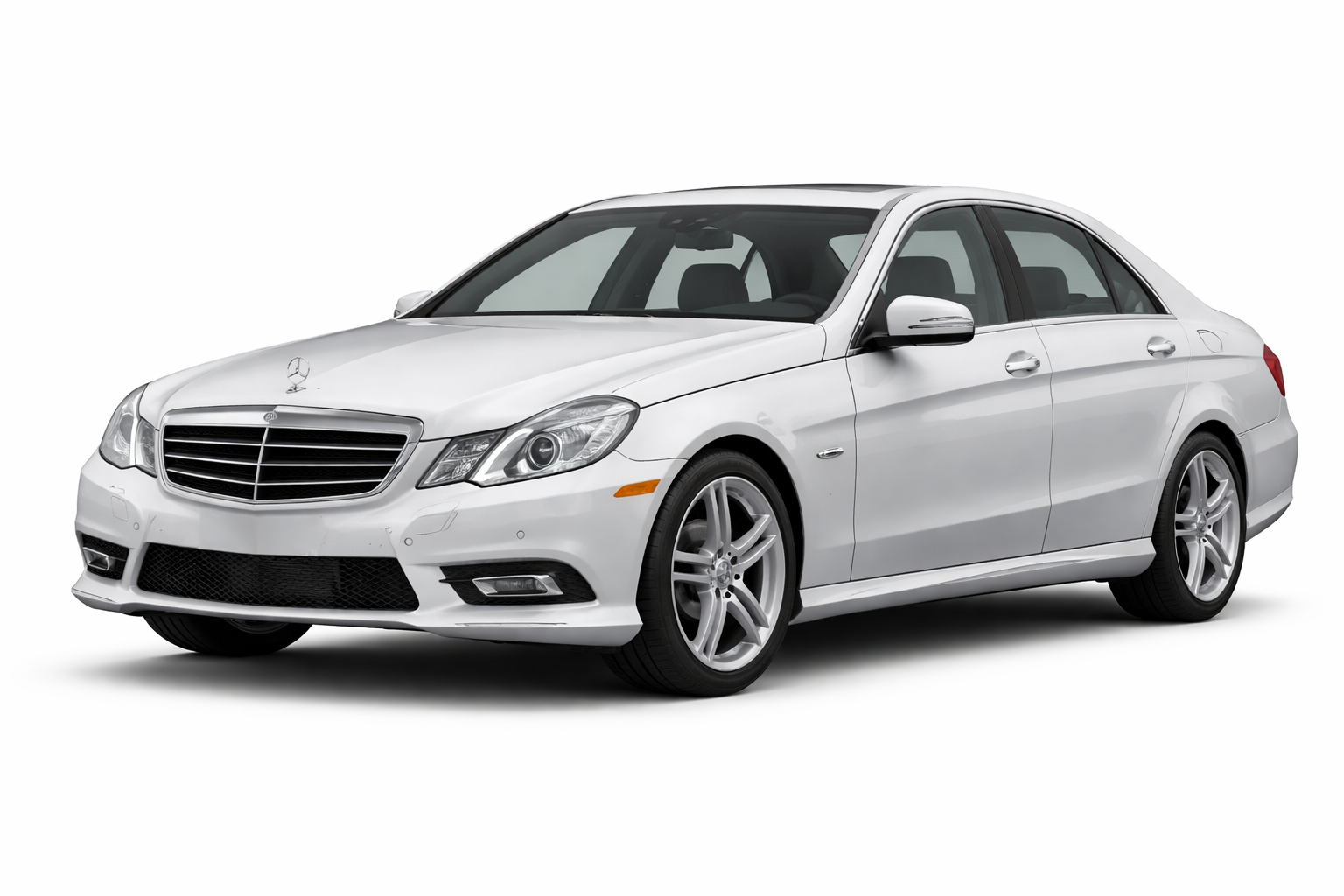
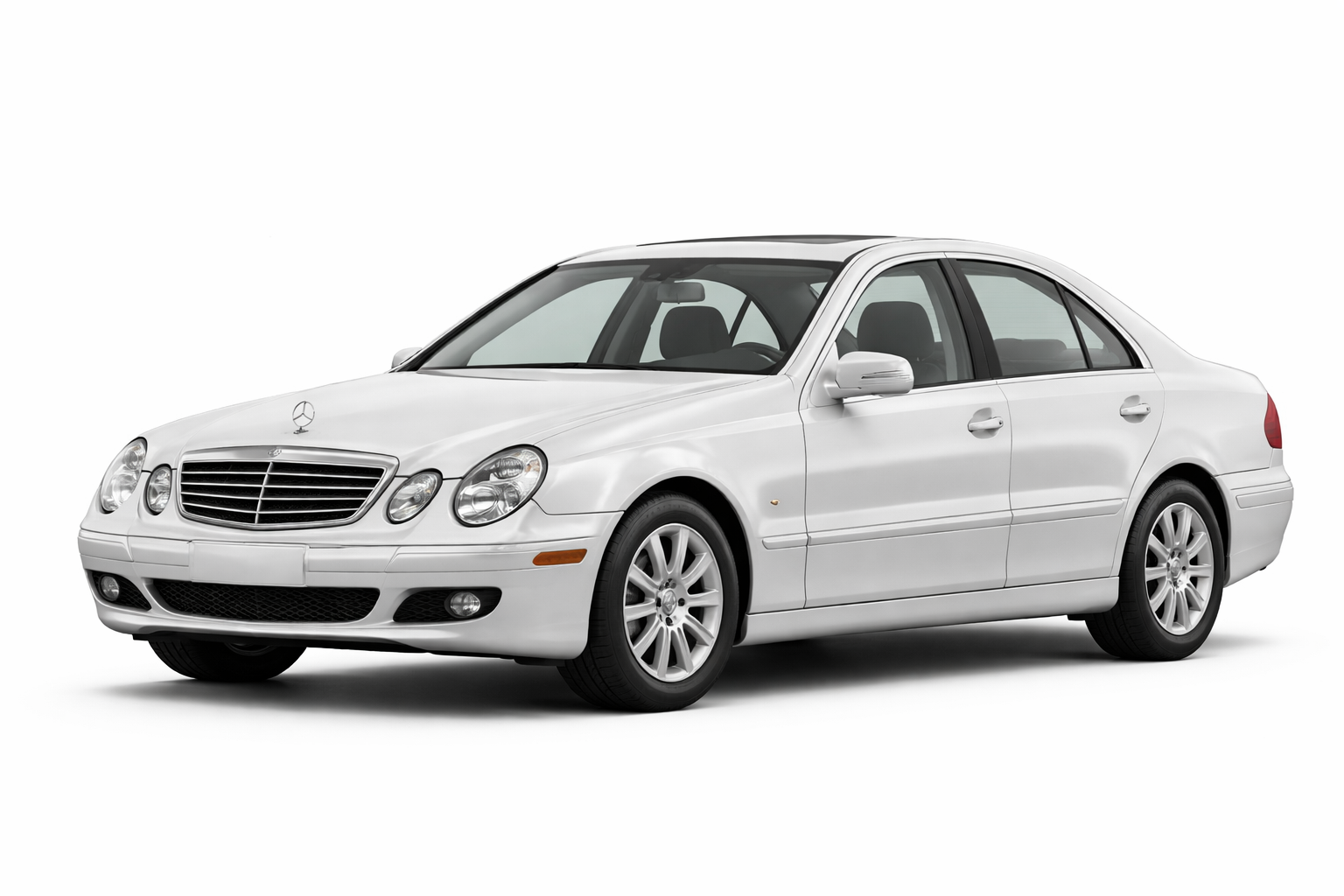
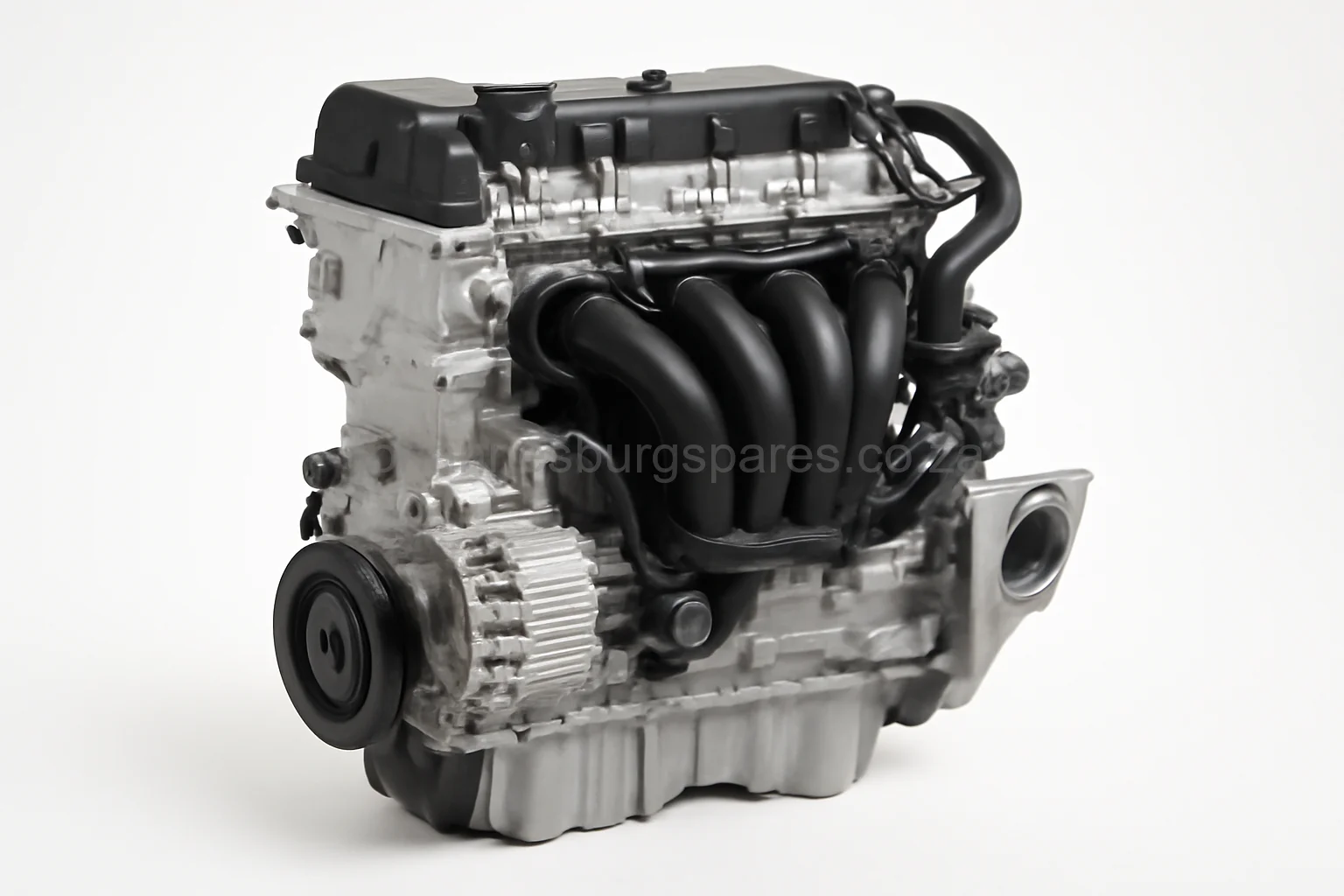
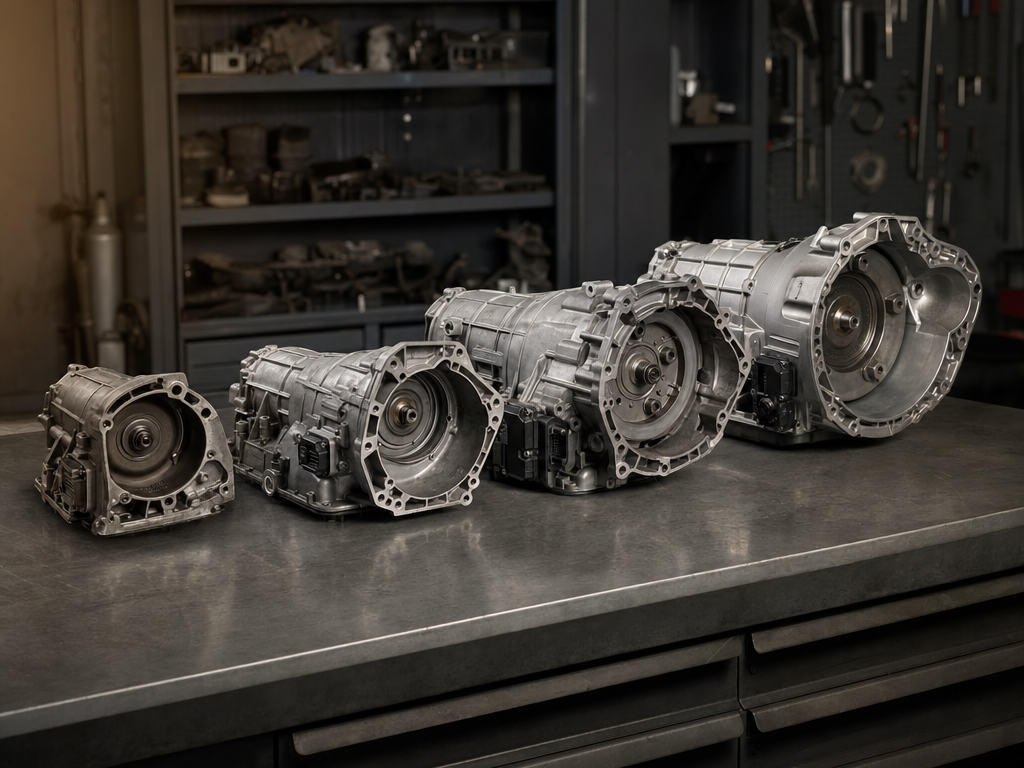

Sooner or later every Mercedes owner asks the same two questions: which automatic gearbox do I have, and what is it worth to replace? Mercedes has run four very different self-shifters through its passenger range since the late 1990s - the 5-speed 722.6, the 7-speed 722.9, the updated 7G-Tronic Plus and the current 9-speed 725.0. They look broadly similar bolted to the back of an engine, but they do not share fluid, mounts or part numbers, and the used-versus-reconditioned maths is different for each. This guide lines all four up side by side so you can identify yours, understand its weak spots, and walk into a quote knowing roughly what you should pay in South Africa in 2026.
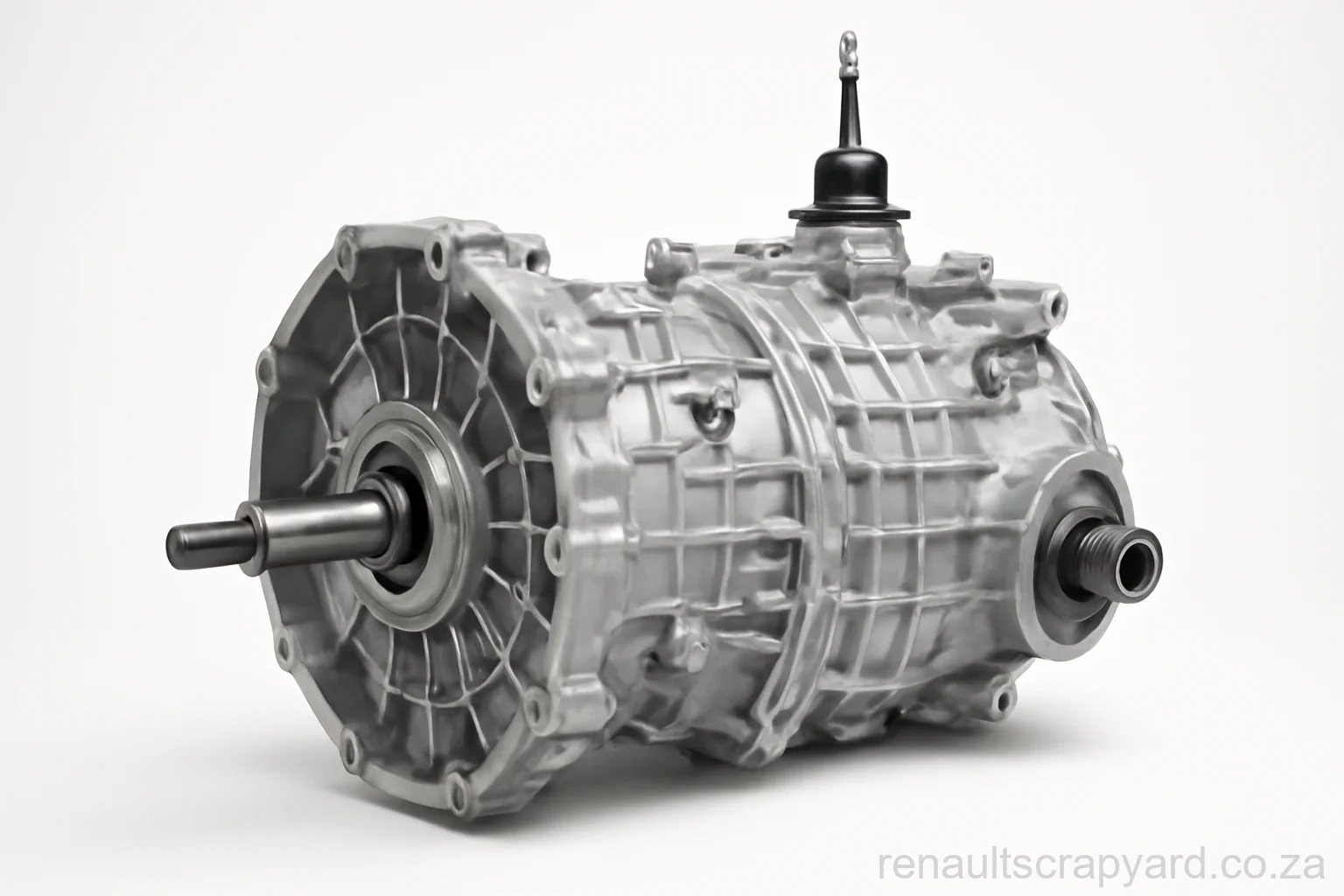
The four gearboxes at a glance
Here is the short version before we go deep on each one. If you know your model year and engine, you can usually place your gearbox in the right family from this alone.
- 722.6 (5G-Tronic) - 5 speeds. Mercedes’ workhorse five-speed automatic, in production from the mid-1990s through to around 2014 in some applications. Also known internally as the NAG1, and shared out to Chrysler, Jeep and others. Tough and cheap to fix. Cherry-red ATF.
- 722.9 (7G-Tronic) - 7 speeds. Launched in 2003 as the world’s first seven-speed automatic in a production car. It replaced the 722.6 across most rear-drive models. Cherry-red ATF 134 on early units.
- 7G-Tronic Plus - 7 speeds. Not a new gearbox - it is the same 722.9 casing updated in September 2010 with a fuel-efficient torque converter (centrifugal pendulum damper) and a switch to blue FE-ATF 134 fluid. The red and blue fluids are not interchangeable.
- 725.0 (9G-Tronic) - 9 speeds. Mercedes’ nine-speed, introduced in September 2013 (first in the E 350 BlueTEC) and rolled out across the longitudinal rear-drive and 4Matic range from 2014. Wider ratio spread for lower cruising revs and better economy.
Know Which Box You Have? Get A Quote.
Send us your model, year and VIN and we'll confirm whether it's a 722.6, 722.9, 7G-Tronic Plus or 725.0 — then quote a tested used or reconditioned unit matched to your chassis, with the correct torque converter.
722.6 (5G-Tronic) - the durable five-speed
If your Mercedes is a W203 C-Class, a W211 E-Class, a W463 G-Wagen, an early W164 ML or almost any petrol model built before roughly 2008, there is a good chance it runs a 722.6. This is the gearbox that earned Mercedes its reputation for bullet-proof automatics. It uses three planetary gear sets and a relatively simple hydraulic control strategy, and a well-serviced one will run past 300,000 km without drama.
The classic failure points are the conductor plate (the electronic valve-body control unit - symptoms are limp mode and erratic shifts) and the 13-pin connector seal that lets ATF wick up the loom. Both are also true of the 722.9, and both are repairable without replacing the whole box. The torque converter lock-up clutch can shudder on high-mileage units. None of this is expensive by Mercedes standards, which is exactly why the 722.6 stays popular as a used buy.
722.9 (7G-Tronic) - the seven-speed workhorse
The 722.9 arrived in 2003 and became the default automatic across the modern rear-drive range - C-Class, E-Class, ML, GL, S-Class and more. It is paired with most of the engines that went into these chassis, from the four-cylinder diesels right up to the V8 petrols. Seven ratios mean smoother steps and lower cruising revs than the old five-speed.
The 722.9 has three well-known weak spots: the 13-pin adapter o-rings (a cheap fix that masquerades as total failure), the conductor plate, and clutch wear on units that never had a fluid change. Before you hand over money it pays to check the 13-pin seal, the ATF colour, and pull any stored fault codes - and to test-drive the donor car if you can. If yours is past saving, we carry complete used and reconditioned gearboxes tested and matched to your VIN.

7G-Tronic Plus - the same box, updated
This one trips a lot of buyers up. The 7G-Tronic Plus is not a separate gearbox - it is the 722.9 casing with a 2010 update. In September 2010 Mercedes fitted a new fuel-efficient torque converter with a centrifugal pendulum damper and regulated lock-up, and switched the fluid from the old red ATF 134 to a thinner blue FE-ATF 134. The benefit was around 7% better economy and smoother low-speed lock-up.
The catch for a used buyer: the red and blue fluids are formulated differently and are not interchangeable. Put red ATF in a Plus box and you can cause harsh shifts and long-term wear. Always confirm whether the donor unit is a pre-2010 (red) or post-2010 Plus (blue) box, and use the correct fluid at fitment. The casings interchange physically; the fluid does not. If you are sourcing a converter separately, browse our torque converter listings and quote the box and converter together.
725.0 (9G-Tronic) - the current nine-speed
The 725.0 nine-speed launched in September 2013 in the E 350 BlueTEC and spread across the longitudinal rear-drive and 4Matic range from 2014 - W205 C-Class, W213 E-Class, GLC, GLE, S-Class and more. Nine ratios drop the cruising revs further and improve refinement. It is the box you will find behind most diesels in the newer chassis, including the V6 in the bigger SUVs.
Being newer, the 725.0 has fewer high-mileage failures documented than the older boxes - but it is also more expensive to buy used and more complex to repair, with a mechatronic control unit integrated into the valve body. Early units can show torque-converter shudder and the occasional valve-body fault. Used supply is thinner because these cars are still relatively young, so prices sit well above the 722.6 and 722.9.
Used vs reconditioned - the same logic across all four
Whichever generation you are buying, the used-versus-reconditioned decision works the same way. A used gearbox comes out of a donor car - we test it, check the connector and conductor plate, scan it for codes and confirm it shifts, but internal wear is unknown and warranties run 30-90 days. A reconditioned unit is stripped, the conductor plate and connector seals renewed, clutches and seals refreshed, the torque converter rebuilt and the whole thing bench-tested, with a 6-12 month warranty.
Rule of thumb: a daily driver with years of life left is usually cheaper reconditioned over its lifetime. A car being sold on, or one with limited remaining value, is the case for a tested used unit. Either way, the right transmission parts matched to your chassis matter more than the cheapest sticker price.
SA pricing - used vs recon bands (2026)
These are realistic Centurion-yard ranges as units move through SA in 2026. Prices swing with donor model, mileage and whether the torque converter is included, so treat them as a starting point, not a quote.
- 722.6 (5-speed): used roughly R8,000 - R18,000; reconditioned roughly R18,000 - R32,000. The cheapest family to own - parts and labour are well understood.
- 722.9 (7-speed): used roughly R12,000 - R32,000; reconditioned roughly R28,000 - R55,000. V8 and AMG applications sit at the top; four-cylinder diesel units at the bottom.
- 7G-Tronic Plus: similar to the 722.9 bands above - it is the same casing - but always price in the correct blue FE-ATF at fitment.
- 725.0 (9-speed): used roughly R22,000 - R48,000; reconditioned roughly R45,000 - R80,000. Newer, scarcer and more complex, so it carries the highest bands.
- Mercedes new genuine (any): R90,000+ fitted - rarely the right answer outside warranty work.
Always confirm whether a price includes the torque converter and whether it is engine-only or a complete drop-in - the difference can be several thousand rand on the same unit.
Ready To Replace Your Gearbox? See Our Prices.
Skip the guesswork on pricing — we carry tested used and reconditioned 722.6, 722.9, 7G-Tronic Plus and 9G-Tronic units, scanned and matched to your VIN, with the right fluid spec confirmed before fitment.
Frequently asked questions
How do I tell a 722.9 from a 7G-Tronic Plus? They share the same casing, so the giveaway is the fluid and the year. A pre-September-2010 car uses red ATF 134; a 7G-Tronic Plus (late 2010 onward) uses blue FE-ATF 134 and has the fuel-efficient torque converter. Check the ATF colour and the build date, or send us the VIN.
Can I fit a 9G-Tronic in place of a 7G-Tronic? No. The 725.0 is a different physical unit with its own bell housing, mounting points, control electronics and tail housing. Replace like with like, matched to your chassis and engine.
Which Mercedes gearbox is the most reliable? The 722.6 five-speed has the best long-term reputation for durability and the cheapest repairs. The 722.9 is close behind once the known weak spots are sorted. The 725.0 is too new to have a long failure record, but is the most expensive to repair.