




If you run a diesel Mercedes built between roughly 2005 and 2018, there is one fault you will almost certainly meet sooner or later: the OM642 oil cooler seal leak. It is the single most common problem on Mercedes’ 3.0-litre V6 diesel, and because the oil ends up at the back of the engine, plenty of owners get quoted for a rear main seal or a “gearbox oil leak” before anyone works out what is really happening. This guide explains why the seals fail, how to spot it early, which models are affected, and what the job realistically costs in South Africa in 2026.
What the OM642 is, and where the oil cooler sits
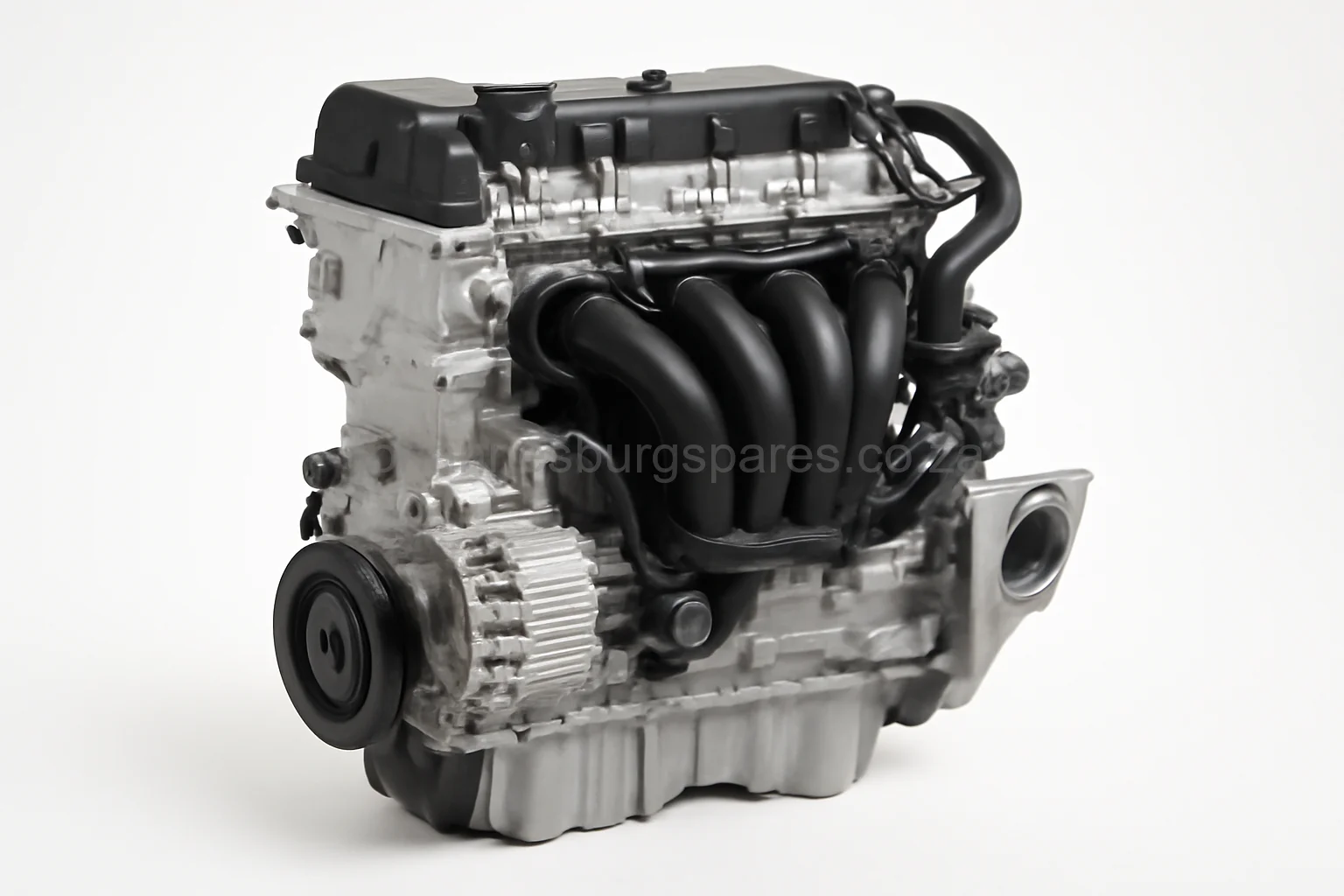
The OM642 is Mercedes’ 3.0-litre, 72-degree, 24-valve V6 turbo-diesel, built from 2005 right through to around 2021. It replaced the old inline-five and inline-six diesels and ran in almost the entire range badged as a 280, 300, 320 or 350 CDI / BlueTEC. It uses common-rail injection and a variable-nozzle turbo, and it is a genuinely strong engine - the weak point is not the bottom end, it is one set of rubber seals.
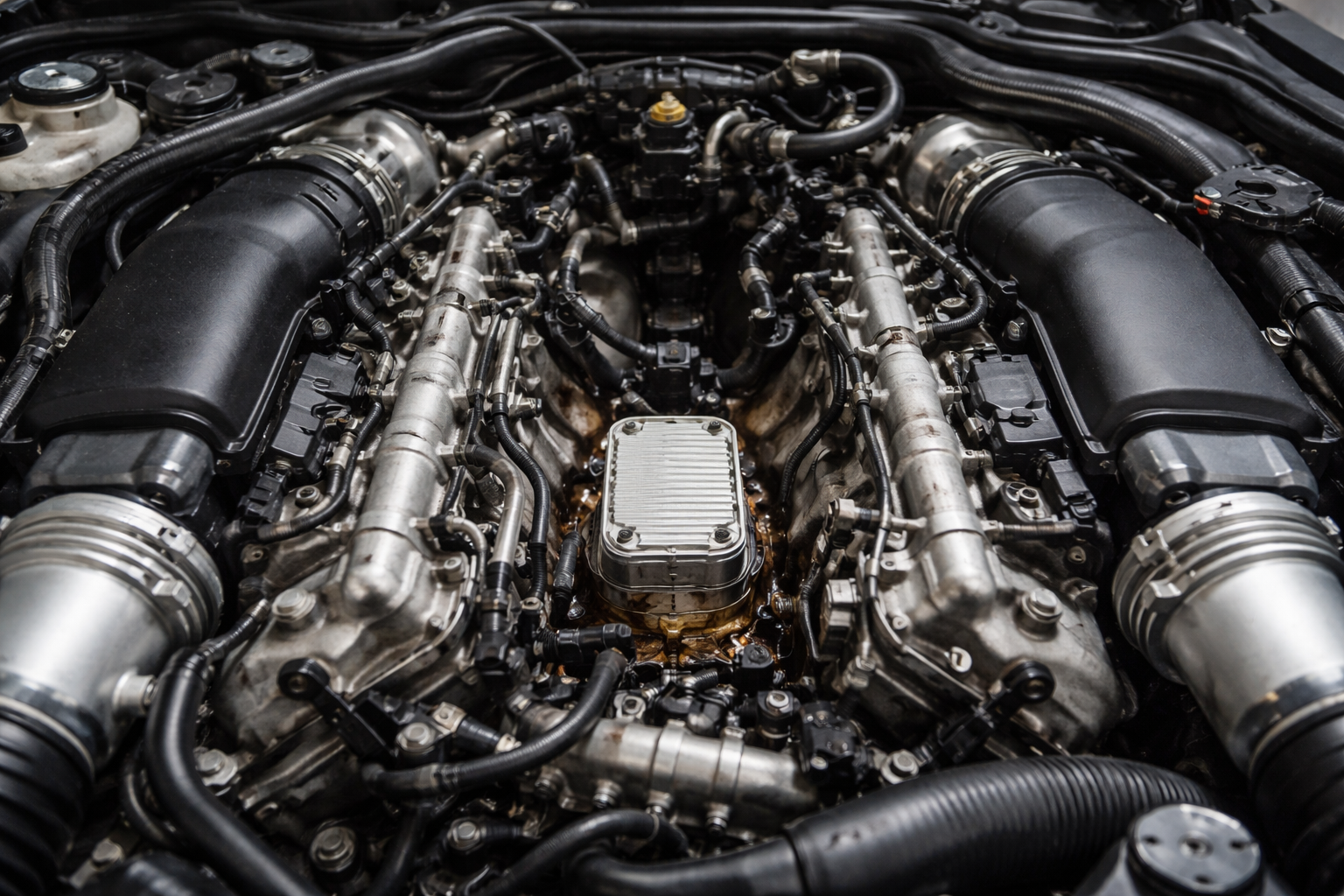
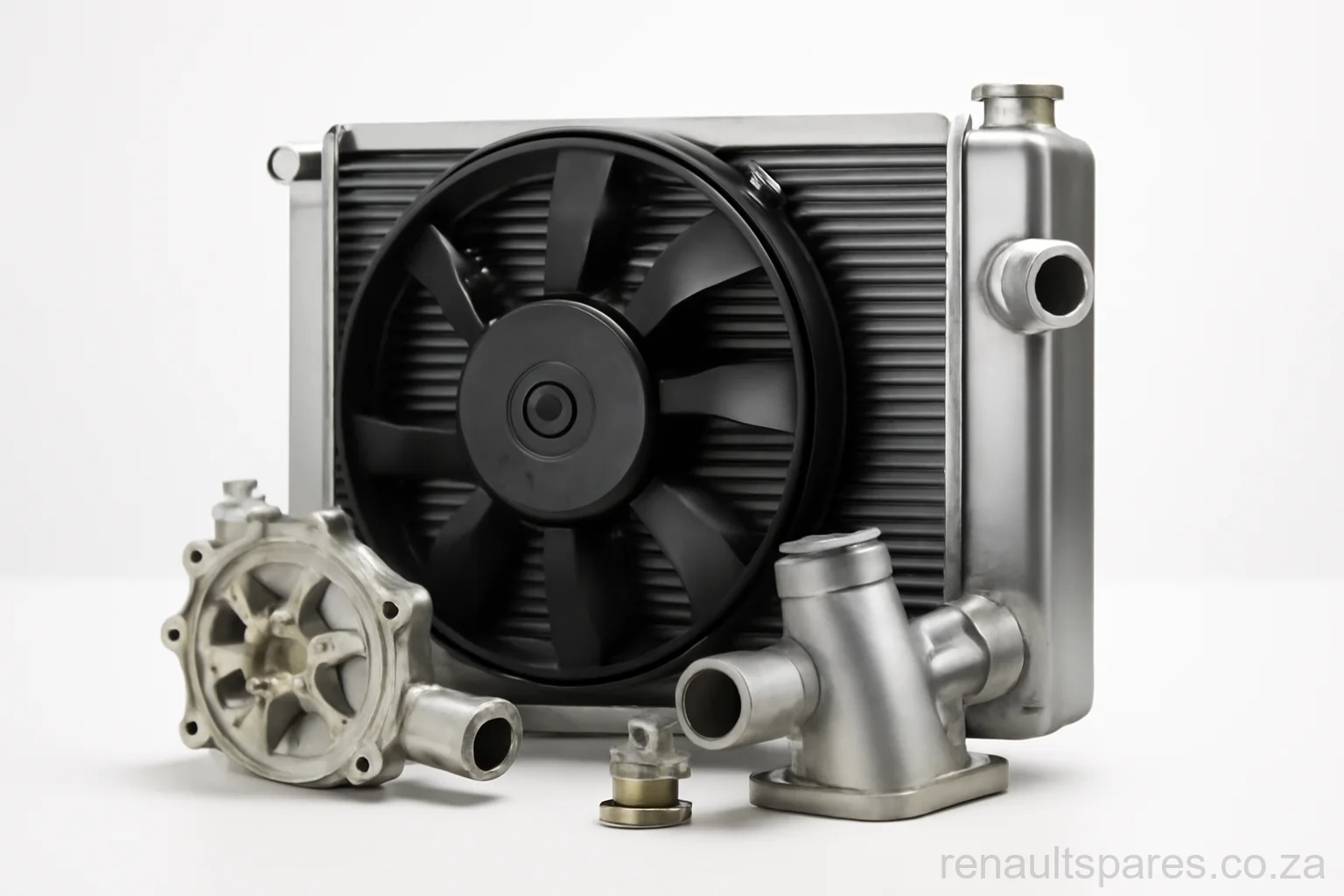
The engine-oil cooler is a heat exchanger that sits in the valley between the two cylinder banks, towards the back of the engine. Hot oil runs through it and engine coolant carries the heat away. To package it neatly, Mercedes tucked it down in the V underneath the intake manifolds. That location is the whole story: it is one of the hottest spots in the engine bay, and the two O-ring seals that hold the cooler against the block sit there baking for years until the rubber hardens, shrinks and lets oil weep past.
How to spot an OM642 oil cooler leak
The leak almost never announces itself with smoke or noise. Instead it shows up slowly as oil disappearing where you cannot see it. The classic signs:
- A dropping oil level and a “Check Oil Level” / “Top Up 1.0L Oil” message on the dash, with no obvious puddle in your usual spot - the oil is leaking onto the back of the block and the bell housing, not the front of the sump.
- Oil pooling at the rear of the engine, on the gearbox bell housing, or dripping from the very back of the block. This is why it is so often misdiagnosed as a rear main seal or a leaking gearbox.
- A burning-oil smell after a run, as oil drips onto the exhaust and downpipe behind the engine.
- Oil residue down the back of the sump and on the subframe, with the front of the engine staying relatively clean.
If you see oil at the back of the engine on any 3.0 V6 diesel Mercedes, the oil cooler seals should be the first suspect, not the last.
Spotted The Tell-Tale Leak? Get OM642 Parts.
We stock the updated high-temperature oil cooler seals and surrounding gasket kits for the OM642 3.0 V6 — matched to your ML, E-Class, S-Class, Sprinter or Vito chassis and delivered nationwide.
Why the seals fail - and the 2010 update
The seals fail for one reason: heat. The cooler sits in the hottest part of the V, and the original orange/black rubber O-rings simply were not durable enough for years of that thermal load. They harden, lose their squeeze and start to seep.
Mercedes recognised this and updated the seal material around 2010 to a higher-temperature compound (the later seals are a different colour). The update genuinely helped - leaks on post-2010 engines are less common - but it did not eliminate the problem. Plenty of newer OM642s still leak eventually, and any pre-2010 engine that has never had the seals done is living on borrowed time. The good news is that the repair fits the improved seals, so a properly done job should outlast the original by a wide margin.
Which Mercedes models are affected
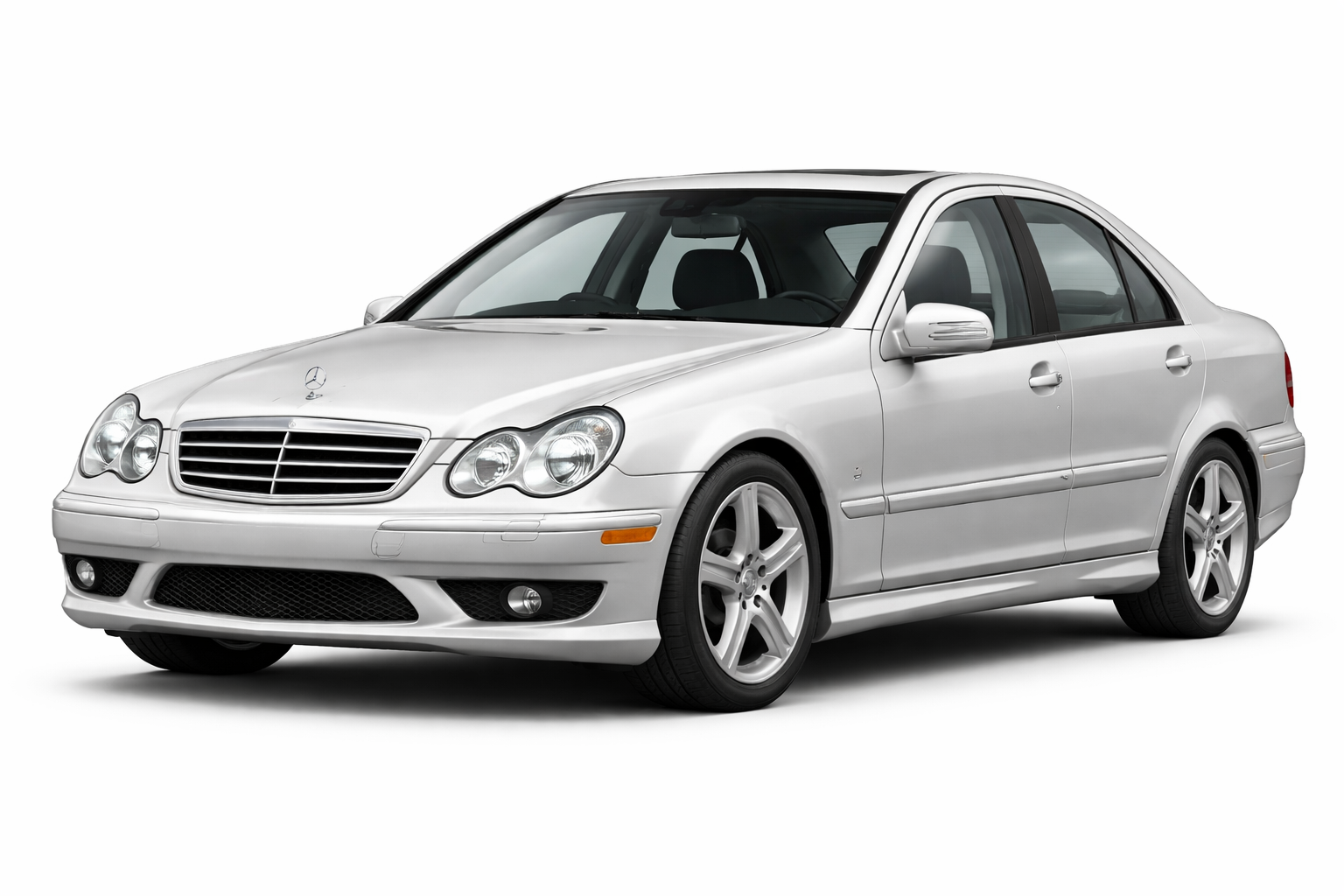
The OM642 went into almost every diesel Mercedes of its era, which is why this single fault touches so many cars on South African roads. If your Merc is a 280, 300, 320 or 350 CDI / BlueTEC V6 diesel from this period, it has this engine and this risk:
- ML / GLE - W164 and W166 ML280/300/320/350 CDI and ML350 BlueTEC. One of the most affected models in SA, and one of the most common to misdiagnose.
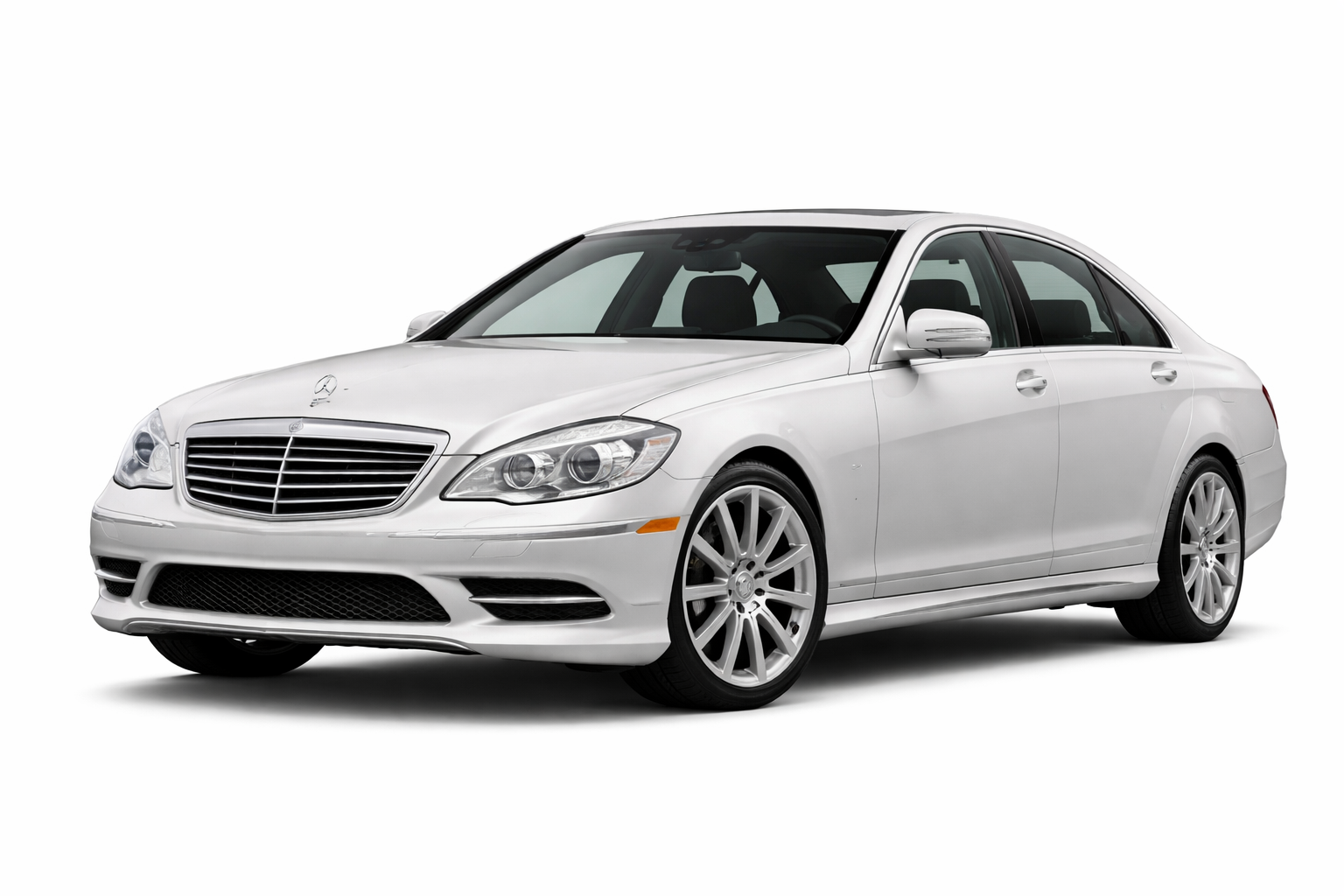
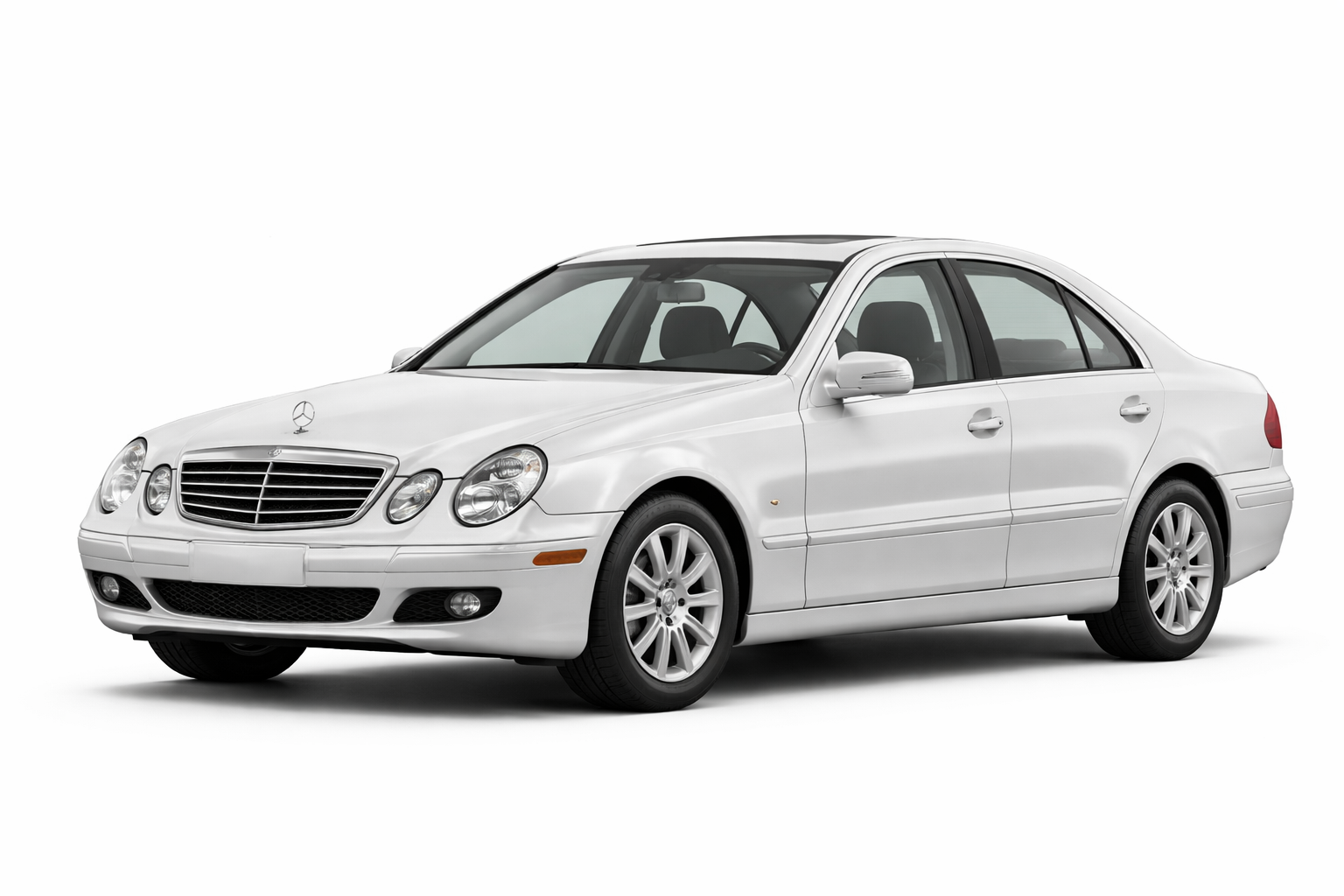
- E-Class - W211 E280/E300/E320 CDI and W212 E350 CDI / BlueTEC, plus early W213 E350d.
- GL / GLS - X164 GL320/350 CDI and X166 GL350 BlueTEC.
- S-Class - W221 S320/S350 CDI / BlueTEC and early W222 S350d.
- CLS - C219 and C218 320/350 CDI.
- R-Class - R280/R300/R320/R350 CDI.
- G-Class - W463 G320/G350 CDI / BlueTEC.
- Sprinter - the 906-generation Sprinter 3.0 V6 CDI from 2007, the workhorse version where a leak left unchecked can run an engine low on oil.
- Vito / Viano - Vito 120/122 CDI and Viano 3.0 CDI (2006-2014).
Across all of them the part is essentially the same cooler in the same place, so the diagnosis and the repair are identical regardless of which body it is bolted into.
Why the repair costs what it does
Here is the part that surprises owners: the seals themselves are cheap - a few rand each, and the full seal/gasket kit is modest. The cost is labour, and there is a lot of it, because nothing about the oil cooler’s location is friendly.
To physically reach the cooler down in the V, the workshop has to remove the intake manifolds, the EGR plumbing, various coolant lines and, on most variants, work around or remove the turbocharger. Internationally this job is rated at roughly 10 to 15 hours. Once everything is off, swapping the seals is genuinely quick - but you pay for the strip-down and rebuild, not the five-minute seal change.
There are two related catches worth knowing before you get a quote:
- The intake manifolds can crack or seize. On high-mileage engines the manifolds (and their swirl-flap linkages) sometimes break on removal and need replacing, which adds parts cost on top of the labour.
- Do the related seals while you are in there. A proper job renews the surrounding gaskets and coolant seals at the same time - it would be false economy to have all that apart and only touch the two oil-cooler O-rings. Browse our cooling system parts to see what typically comes off and gets refreshed in the same operation.
SA repair-cost guide (2026)
These are realistic South African ballpark figures for 2026. They swing with the model, who does the work (independent specialist vs franchise dealer), and whether the intake manifolds survive removal - so treat them as a starting point, not a quote.
- Seal / gasket kit (parts only): roughly R600 - R1,800 depending on whether it is the bare O-rings or a full surrounding-seal kit.
- Independent specialist, seals only, manifolds intact: roughly R6,000 - R10,000 all-in, most of it labour.
- If the intake manifolds need replacing too: add roughly R3,000 - R6,000+ in parts on top.
- Franchise dealer: expect the top of these bands and beyond, given the labour hours involved.
The single biggest variable is the manifolds. Ask the workshop up front what they will do if a manifold cracks on removal, so a R8,000 job does not quietly become a R15,000 one. If you are sourcing the bits yourself, good-quality used intake manifolds and ancillaries pulled from a low-mileage donor are the cheapest way to keep the total down - we stock engine parts for the OM642 range and can match them to your chassis.
Keep The Job Affordable. Source The Parts Right.
Save on the parts bill before it grows: we supply seal kits, intake manifolds and cooling components for the OM642 — quality used and aftermarket, tested and matched to your VIN. Tell us your model and we'll quote.
Should you fix it or leave it?
A small weep that drops the oil level by half a litre between services is not an emergency - but it never gets better on its own, and a neglected leak that empties the sump can cook an engine that is otherwise good for another 200,000 km. Because the labour is the same whether the leak is small or large, there is no benefit to waiting: you pay for the strip-down either way, so the cheapest version of this repair is the one you do before the manifolds get older and more brittle and before the oil level ever gets dangerous.
If you are weighing it up on an older ML or Sprinter, factor it in as a known, one-time cost of owning an OM642 rather than a sign the engine is failing. Fix it once with the updated seals and it is unlikely to trouble you again.
Frequently asked questions
Is the oil at the back of my engine a rear main seal or the oil cooler? On a 3.0 V6 diesel, the oil cooler seals are far more common than a rear main seal and produce exactly the same symptom - oil at the back of the block and on the bell housing. A good diesel specialist will check the oil cooler first because it is the known weak point and is cheaper to confirm.
Will a leaking oil cooler seal damage my engine? Not directly, as long as you keep the oil topped up. The danger is ignoring the warning and running the engine low on oil, which can cause real bottom-end damage. The leak itself is a seal, not a mechanical failure.
Are the newer seals a permanent fix? The post-2010 high-temperature seals are far more durable than the originals, so a correctly done repair with the updated seals typically lasts the rest of the car’s working life. The originals were the weak link, not the cooler itself.