



Mercedes C200 CGI Problems — M271 EVO Faults & Used Parts
Mercedes C200 CGI problems most commonly stem from M271 EVO timing chain stretch, intake valve carbon buildup, and high-pressure fuel pump failures — here's the full diagnostic guide plus our used C200 CGI parts inventory in South Africa.
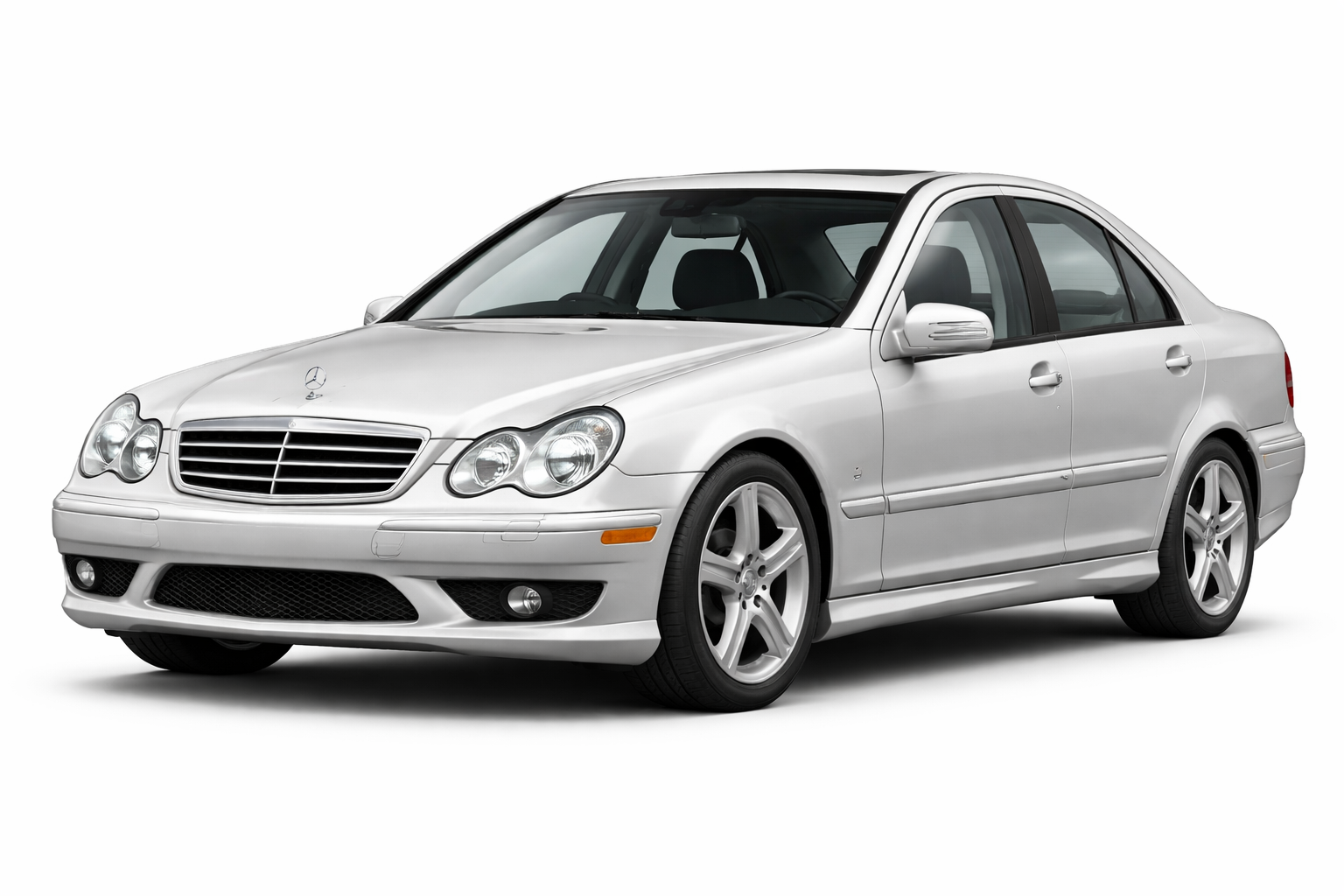
The C200 CGI was Mercedes-Benz's answer to the move toward smaller, more efficient turbocharged petrol engines in the late 2000s. "CGI" stood for Charged Gasoline Injection — the marketing name for the M271 EVO direct-injection turbocharged 1.8L. It powered the W204 C-Class from 2008 to 2014 and appeared in E200 CGI versions of the W212 E-Class. The engine introduced features that Mercedes had not used in this class before, and several of those innovations turned into the failure points owners now know well.
Engine Overview & CGI Variants
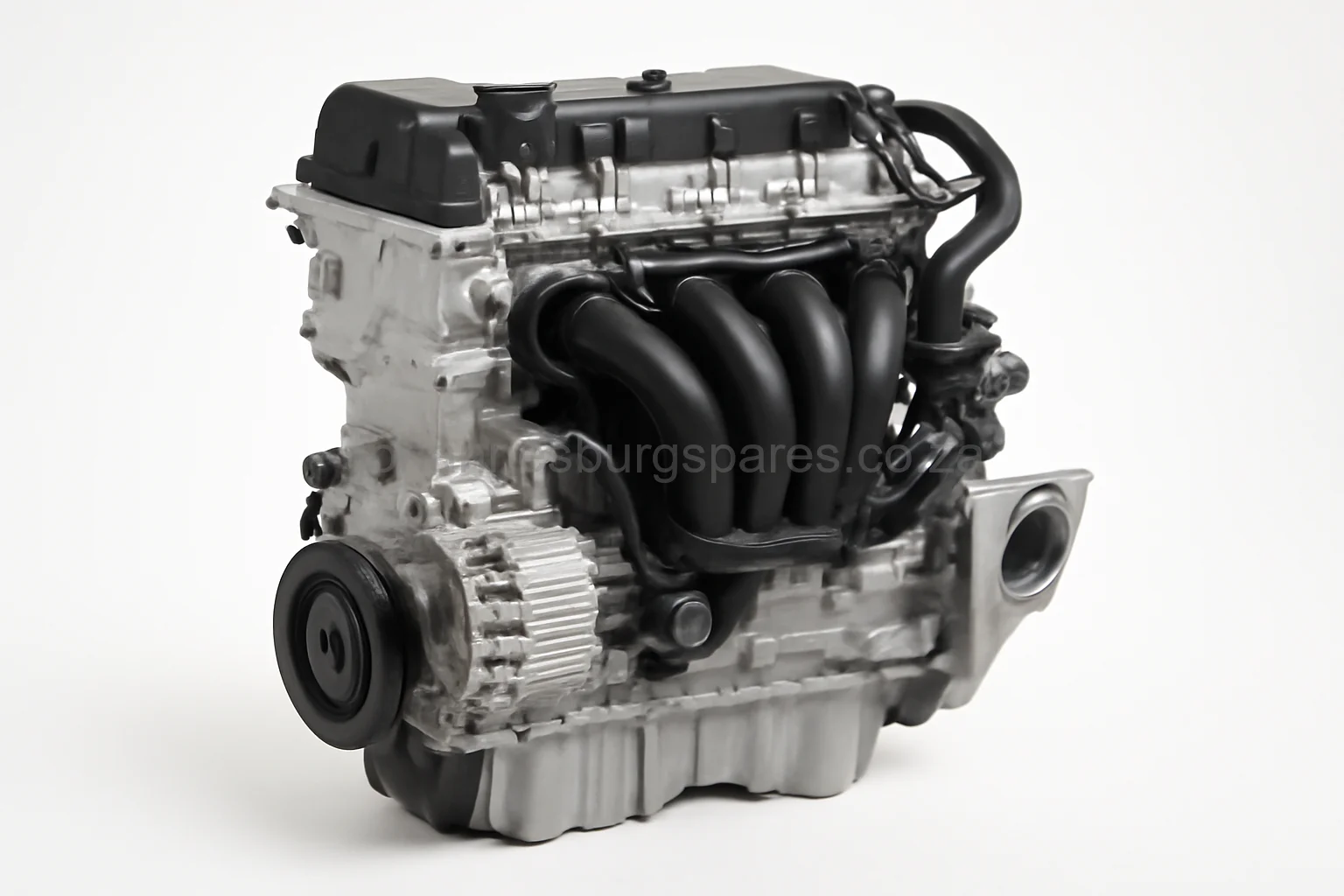
The Mercedes M271 EVO (often listed as M271 DE18AL in Mercedes parts catalogues) is a 1.8-litre inline-4 with twin-injection — both port injection and direct cylinder injection — single twin-scroll turbocharger, variable intake and exhaust camshaft adjustment, and a balance-shaft assembly to smooth out the inherent vibration of a long-stroke 4-cylinder. The C200 CGI typically delivers around 135 kW and 270 Nm.
Common CGI / M271 EVO models you'll encounter in South Africa:
- W204 C200 CGI / C250 CGI (2008–2014) — by far the most common CGI in SA
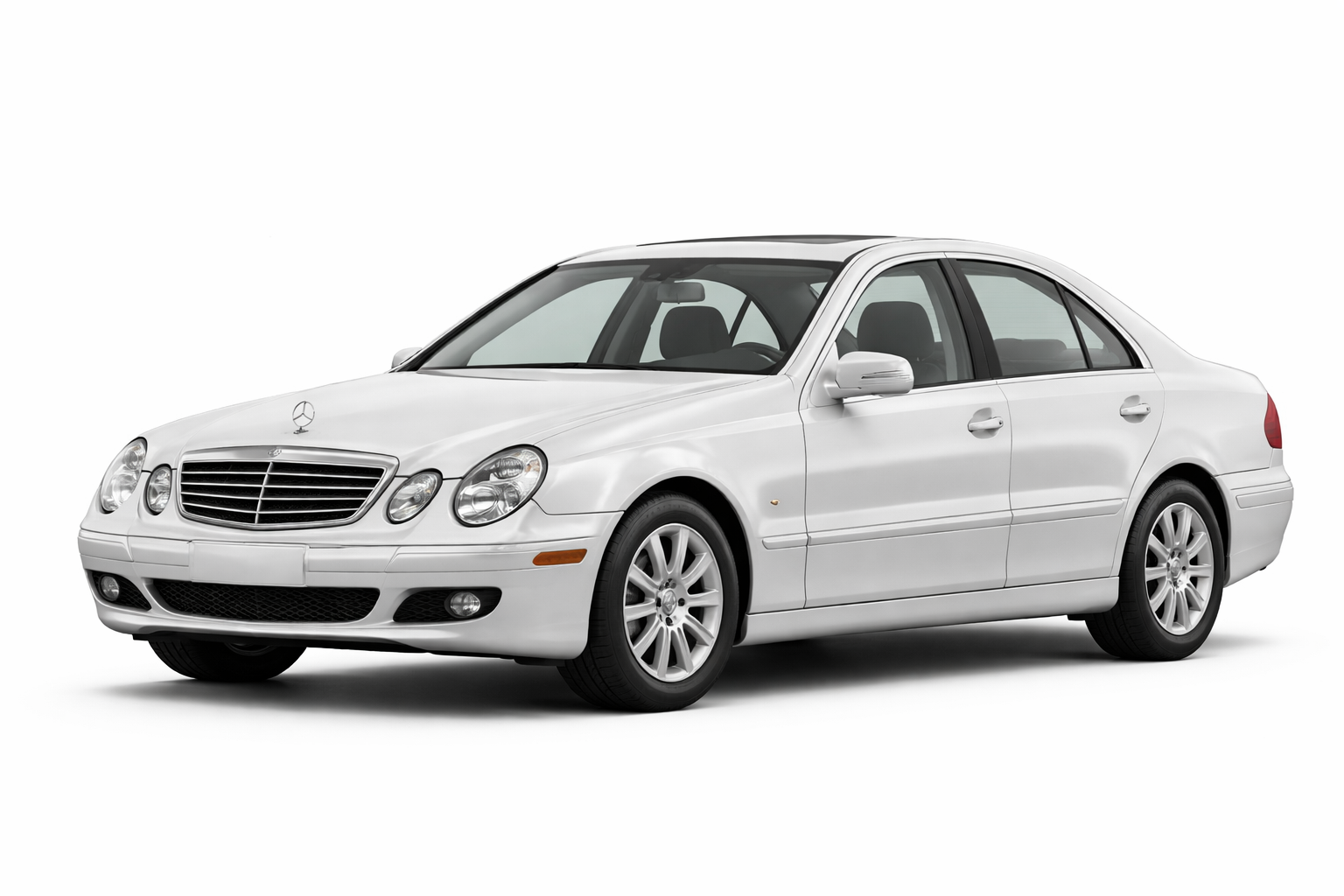
- W212 E200 CGI / E250 CGI (2009–2013)
- W221 S250 CGI (rare in SA, 2010 onwards)
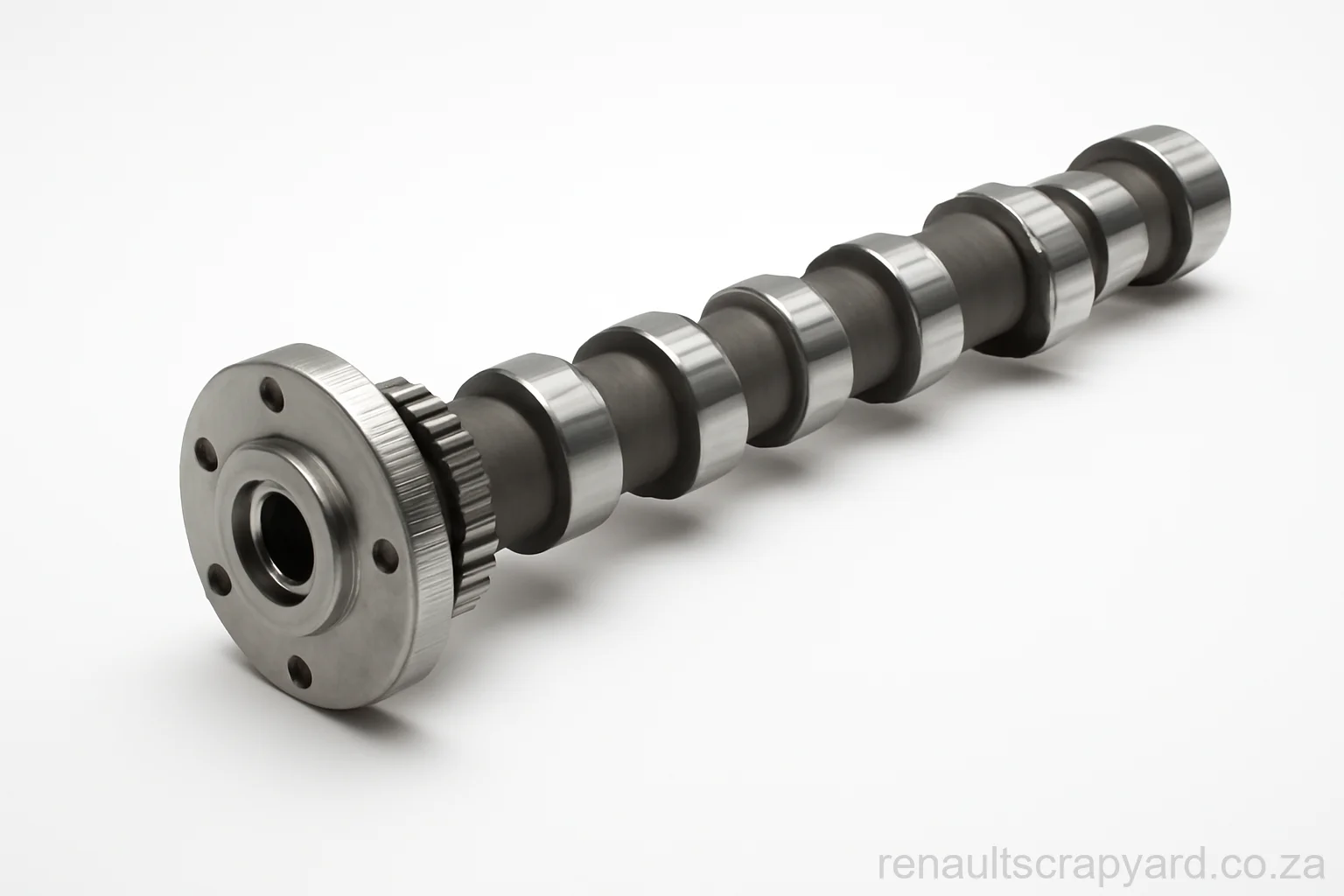
The pre-facelift M271 EVO uses a single-row timing chain and is the variant most affected by chain stretch. Later units (around 2010 and onwards, depending on plant) received a revised double-row chain set-up that is significantly more durable.
Common C200 CGI / M271 EVO Engine Problems
Timing Chain Stretch
This is the headline M271 EVO fault and the one every C200 CGI owner asks about. The early single-row chain stretches with mileage and oil-change neglect, throwing camshaft-to-crankshaft correlation faults. Symptoms include a metallic rattle from the front of the engine on cold start, loss of power, fault codes around P0016 / P0017, and in worst cases a jumped chain that contacts valves. Mercedes acknowledged the issue and there were recall and goodwill replacement programmes in several markets — any used C200 CGI worth buying in 2026 should already have had the upgraded chain kit fitted, and you should verify this with service history before purchase.
Carbon Buildup on Intake Valves
Direct-injection engines spray fuel straight into the cylinder, so the intake valves never get the cleaning effect that port-injected engines enjoy. Oil mist from the PCV system bakes onto the back of the intake valves over time, restricting airflow. Symptoms include rough cold idle, hesitation at part throttle, misfires in the 50,000–100,000 km range, and a slow loss of fuel economy. Mercedes' twin-injection system on the M271 EVO partly mitigates this — the port injectors do clean the valves to some degree — but it doesn't eliminate the problem. Walnut-blasting the intake ports is the standard fix.
Camshaft Adjuster Solenoid Failure
The M271 EVO has cam phasers on both intake and exhaust. The solenoids that meter oil to the phasers are a common failure point — magnetic circuits weaken and oil pressure regulation drops off. Symptoms include cam correlation codes, rough idle, hesitation at low RPM, and "limp home" engine management response. Solenoid replacement is straightforward and the parts are inexpensive.
High-Pressure Fuel Pump (HPFP) Failure
The M271 EVO's HPFP supplies the direct injectors at very high pressure. Internal seals and the cam-driven plunger wear with mileage, especially when run on poor-quality fuel. Symptoms include hard hot-starting, a long crank time, fuel-pressure-related fault codes, and in advanced cases stalling and a no-restart condition. HPFPs can sometimes be rebuilt, but most workshops fit a replacement unit.
Balance Shaft / Chain Tensioner Issues
The balance shaft assembly has its own short chain and tensioner, and on neglected M271 EVOs this assembly can wear out alongside the main timing chain. Symptoms blur with main-chain stretch — rattle on cold start, correlation codes — and a proper diagnosis usually involves removing the front cover. If the main chain is already due, replace the balance shaft chain at the same time.
Ignition Coil Failures
A family-wide complaint across modern Mercedes 4-cylinders. Coils fail individually, causing a misfire on a single cylinder, P0301–P0304 codes, and a rough running engine. Replacement is a 10-minute job per coil and many owners simply replace all four together if more than one has failed.
Boost Pressure Sensor & Eccentric Shaft Sensor Faults
Two sensor-driven complaints worth mentioning. The boost-pressure sensor in the intake manifold can drift or fail, causing under-boost or over-boost fault codes and a power loss. Some markets' M271 EVO variants also use an eccentric shaft sensor that can throw spurious codes — diagnosis is by live data on a Star scan rather than a parts swap.
Oil Consumption
Higher-mileage M271 EVOs (200,000 km+) commonly start using oil — 1L per 1,500–3,000 km is not unusual. Causes are typically the PCV system pulling oil mist into the intake, worn valve stem seals, and tired piston rings on neglected examples. Always check the dipstick on a used C200 CGI before buying.
Symptoms & Diagnosis
For a structured diagnostic approach on a problem C200 CGI:
- Cold-start rattle → timing chain stretch is the primary suspect. Confirm with a Star Diagnosis cam-to-crank correlation reading (live data, not just stored codes).
- Rough idle, misfire codes → start with coils, then plugs, then injectors, then carbon-blasting if all electricals are healthy.
- Hard hot-start, long cranking → fuel pressure check; failing HPFP is the usual answer.
- Power loss, "limp home" mode → boost pressure sensor, intake leaks, then turbo actuator.
- Hesitation at part throttle, lost economy → carbon buildup on intake valves is highly likely past 80,000 km.
Repair vs Replace Decision
The repair-versus-replace calculation on a C200 CGI is heavily mileage-dependent:
- Under 150,000 km, isolated fault → repair every time. Single coil, single solenoid, walnut blasting — these are routine maintenance items, not engine-replacement triggers.
- 150,000–250,000 km with the timing chain still original → budget for a full chain set (main + balance shaft), guides, tensioners and gaskets at the same time as any other front-of-engine work.
- 250,000 km+ with multiple compounding faults → a quality used M271 EVO replacement engine often beats a top-end overhaul on price and turnaround. We can source these.
- Confirmed jumped chain with valve contact → replacement engine is almost always the right call versus a head rebuild.
Used C200 CGI Parts in South Africa
We supply used M271 engine parts sourced from Used Mercedes Parts SA's yard in Centurion. Inventory typically includes complete used M271 EVO long-blocks, cylinder heads, turbochargers, HPFPs, injector sets, intake manifolds, cam phasers and solenoids, ignition coil sets, and full ancillary harnesses. We also stock timing chain replacement parts — full chain kits with guides and tensioners for the M271 family, suitable for both the original single-row and revised double-row set-ups.
The C200 CGI lives almost exclusively in the W204 C-Class in the SA market, with the related E200 CGI in the W212 E-Class. Browse the model hub for a complete chassis-specific parts list.
Need a Used C200 CGI Engine or Part?
Send us your VIN or chassis code and the part you need — we'll come back with availability and pricing.
Frequently Asked Questions
Is the Mercedes C200 CGI a reliable engine?
A well-maintained, post-recall C200 CGI with the upgraded timing chain and on its proper service schedule is reasonably reliable. Pre-facelift units that never had the chain upgrade and were run on extended service intervals are the cars that gave the M271 EVO its mixed reputation.
What does CGI stand for in Mercedes C200 CGI?
CGI is Mercedes' marketing acronym for "Charged Gasoline Injection" — meaning a turbocharged petrol engine with direct cylinder fuel injection. The M271 EVO that powered the C200 CGI also uses port injection alongside the direct injectors (twin injection), which slightly reduces the carbon-buildup problem common to direct-injection-only engines.
How do I check if the timing chain has been replaced?
Check the service history first — a full chain replacement is a multi-hour invoice and should be clearly recorded. If history is missing, a workshop can listen for cold-start rattle, run a live cam-to-crank correlation reading on Star Diagnosis, and visually inspect the chain through the oil filler with a borescope. Anything more than a few degrees of correlation drift is a red flag.
Can carbon buildup be cleaned without removing the head?
Yes — walnut blasting is the standard method. The intake manifold is removed and a specialist tool injects crushed walnut shell into each intake port to mechanically scour the valves. The head stays bolted to the block. Most well-equipped Mercedes specialists in SA offer the service.
Do you stock M271 EVO engines for sale?
Yes — we regularly source quality used M271 EVO long-blocks for C200 CGI, C250 CGI, E200 CGI and E250 CGI applications. Send us your chassis number and we'll confirm availability and price, including national delivery.
Related Mercedes Engine Guides
The M271 EVO is part of Mercedes' wider 4-cylinder petrol family. Looking for parts for an earlier or different engine? Browse the model and category hubs for your specific chassis and component, covering the M271, M271 EVO, M274, M111 and related petrol ranges.