





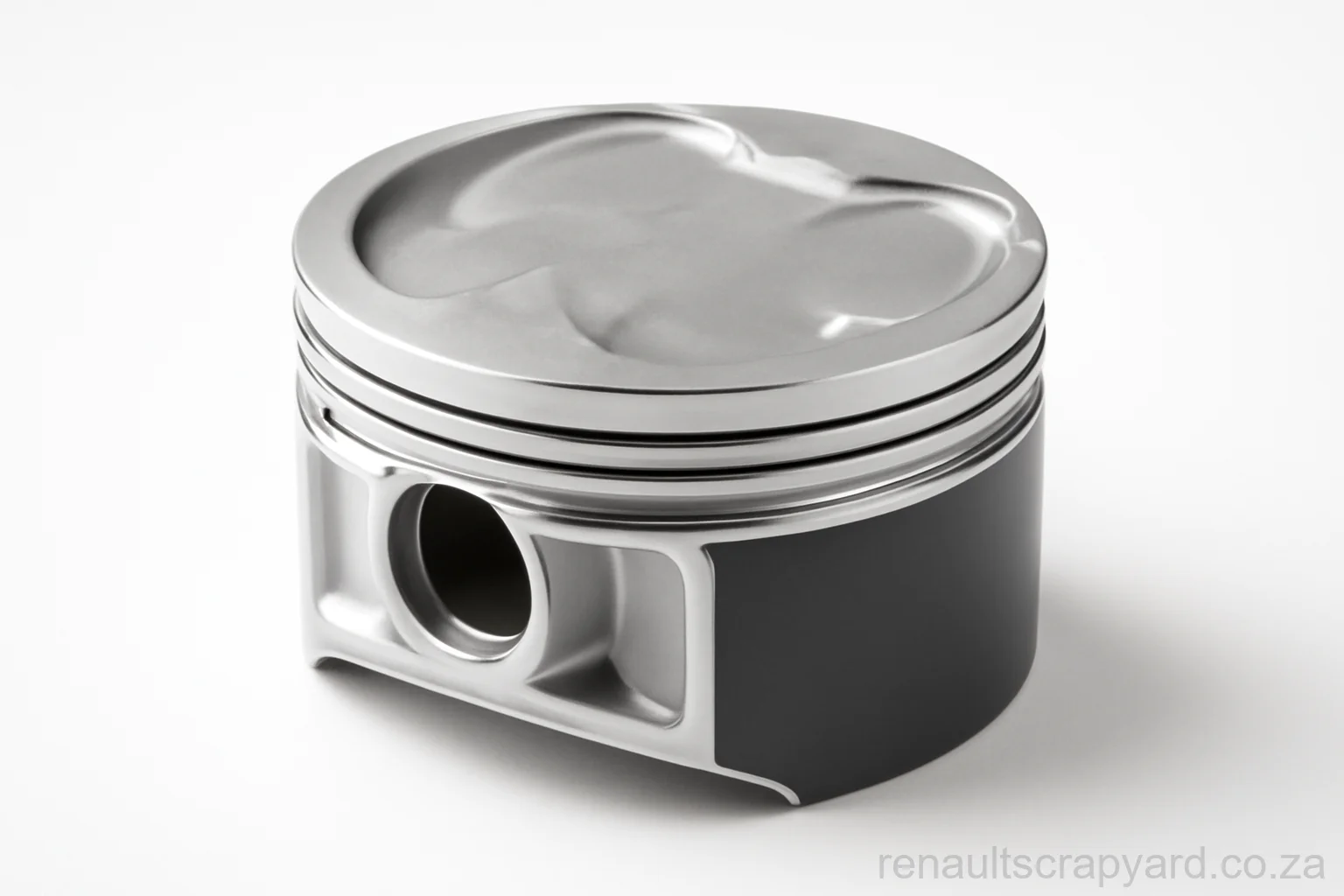
Mercedes M111 Engine Problems — Common Faults & Used M111 Parts
Mercedes M111 engine problems most commonly involve head gasket failure, crankshaft position sensor faults, and supercharger clutch wear on Kompressor variants — here's a complete breakdown plus our used M111 parts inventory in South Africa.
The M111 is one of Mercedes-Benz's most widely deployed 4-cylinder petrol engines, fitted to hundreds of thousands of W202, W203, W210, R170 SLK, W638 Vito and other models that are still on South African roads today. Most of these vehicles are now 20+ years old, and the M111's quirks are well-documented. Whether you're a workshop diagnosing a recurring fault or an owner trying to decide between repair and replacement, this guide covers every major failure point and how to source the parts you need.
Engine Overview & M111 Variants
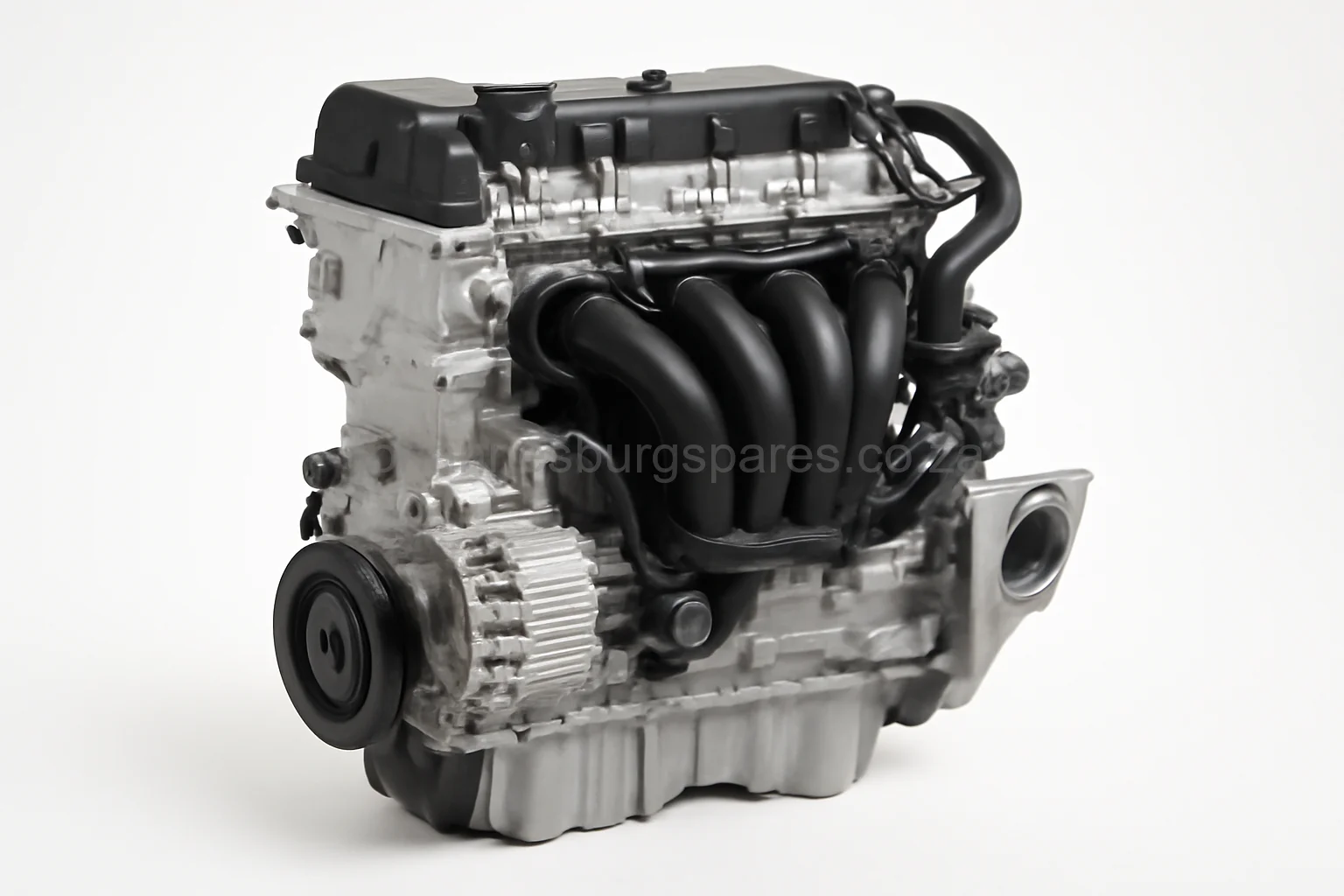
The Mercedes-Benz M111 is an inline 4-cylinder petrol engine produced from 1992 to 2003, replacing the older M102 in mainstream Mercedes saloons. It uses an aluminium cylinder head over an iron block and was offered in naturally-aspirated 8-valve, naturally-aspirated 16-valve and supercharged "Kompressor" 16-valve configurations. Later "M111 EVO" units (1999 onwards) added variable camshaft timing on the intake side.
Common M111 sub-variants you'll encounter in the SA market include:
- M111.940 — 1.8L 16v naturally aspirated (W202 C180, W203 C180)
- M111.941 — 2.0L 16v naturally aspirated (W202 C200, W210 E200)
- M111.942 — 2.0L 16v Kompressor (W202 C200K)
- M111.943 — 2.3L 16v Kompressor (W202 C230K, R170 SLK 230K)
- M111.944 — 2.0L 8v naturally aspirated (lower-spec W202)
- M111.945 — 1.8L 16v Kompressor
- M111.951 / .955 / .956 / .958 / .961 — 2.0L Kompressor variants across W203, R170, W638 Vito
- M111.954 / .957 / .978 / .981 — 2.3L Kompressor variants (SLK 230K, C230K)
The supercharged "Kompressor" variants are the ones most South African buyers ask about — they're powerful for their displacement but also where most of the well-known M111 faults appear.
Common M111 Engine Problems
Head Gasket Failure
The single most reported M111 fault, especially on Kompressor variants that have been driven hard or run low on coolant. Symptoms include white exhaust smoke at start-up, milky residue on the oil filler cap, mysterious coolant loss with no visible leak, and overheating in stop-start traffic. The aluminium head over iron block design is sensitive to overheating events — a single boil-over can warp the head and compromise the gasket. On supercharged units, the higher cylinder pressures accelerate this failure mode.
Crankshaft Position Sensor Failure
The crank position sensor (CKP) sits on the bellhousing and is a known weak point on all M111 variants. Failure usually presents as intermittent stalling at idle, hard-start when warm, or a complete no-start condition. Heat soak from the exhaust manifold accelerates degradation. Replacement is straightforward and the part is cheap relative to the diagnostic time saved.
Idle Control Valve (ICV) Issues
Carbon and oil mist build up inside the M111 idle control valve, causing rough idle, hunting RPM, and stalling when the throttle is released. A spray-clean with throttle body cleaner sometimes restores function temporarily; replacement is the durable fix. This is a top-three complaint on high-mileage M111s.
Mass Airflow Sensor (MAF) Failure
A failing or contaminated MAF causes lean running codes, hesitation under acceleration, poor fuel economy and can illuminate the check-engine light. The hot-wire element gets coated with oil from a leaking intake-side breather hose — clean the breather circuit at the same time as the MAF or the new sensor will fail prematurely.
Supercharger Clutch Wear (Kompressor variants)
The Eaton M62 supercharger fitted to M111 Kompressor units has an electromagnetic clutch that engages the snout pulley. The clutch wears, the air gap opens up, and eventually engagement becomes intermittent — you'll hear a rattle from the supercharger area and feel a clear loss of low-end punch. The clutch can sometimes be re-shimmed, but a worn unit usually needs the supercharger snout/clutch assembly replaced.
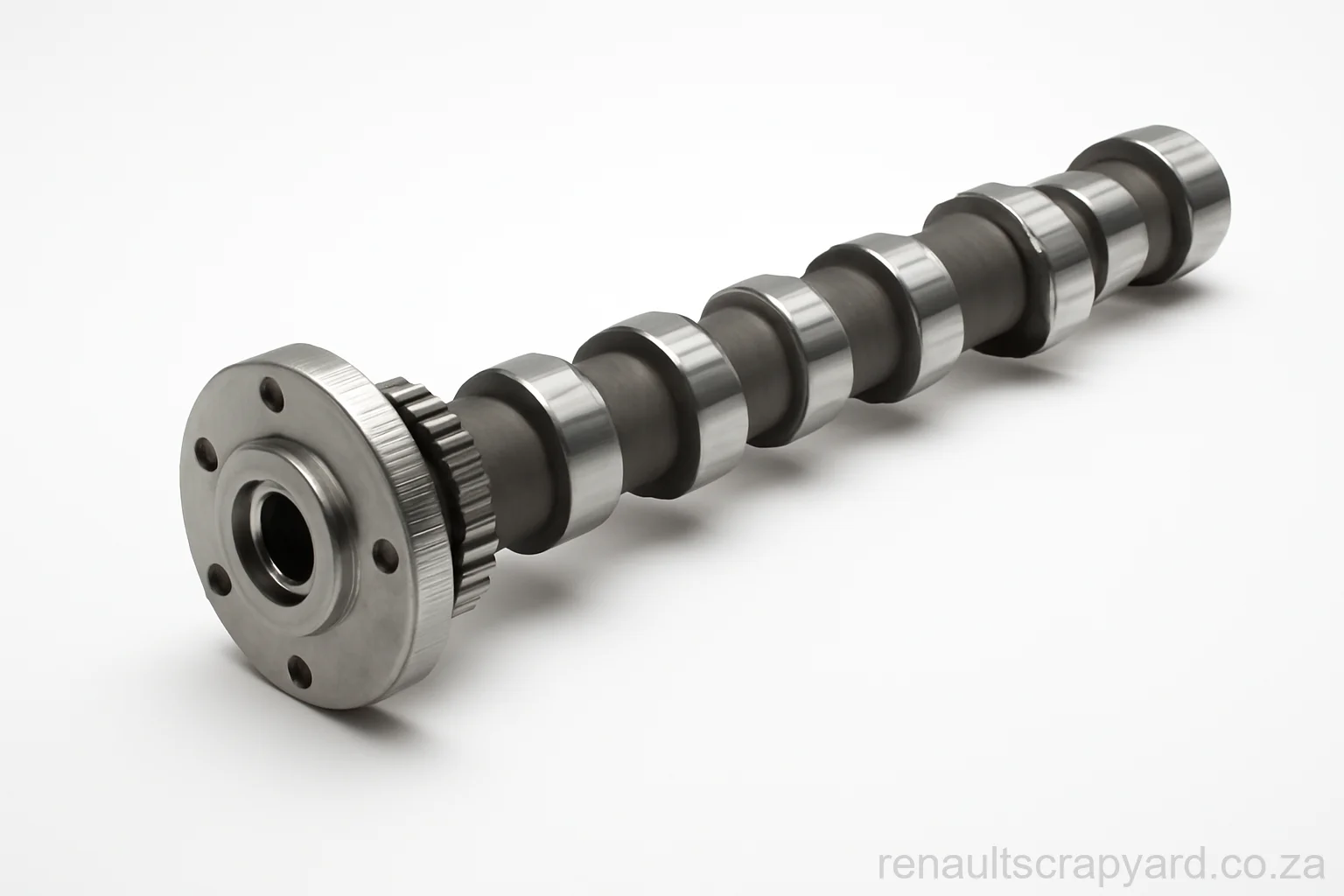
Camshaft Adjuster Solenoid (M111 EVO)
On post-1999 EVO variants with variable intake cam timing, the magnetic solenoid that controls cam-phaser oil flow is a known fault. Symptoms include rough idle, fault codes for camshaft position correlation, and a notable loss of mid-range torque. Solenoid replacement is a straightforward bolt-on repair if the cam adjuster sprocket itself is still healthy.
Oil Consumption on High-Mileage Units
M111s past 250,000 km commonly start consuming oil — usually 1L per 1,000–2,000 km. The cause is typically worn valve stem seals and tired piston rings. Many SA owners simply top up between services rather than tackle a top-end rebuild, but it's worth checking before you buy a used car.
Timing Chain Stretch
Less common than on the later M271, but timing chain stretch does occur on neglected M111s — particularly those with extended oil-change intervals. Symptoms include a rattle at cold start that fades after a few seconds, and eventually correlation fault codes between cam and crank sensors. A new chain, tensioner and guides on an M111 is far cheaper than the equivalent M271 job.
Coolant Leak from Thermostat Housing
The M111 thermostat housing is plastic and becomes brittle with age and heat cycling. Leaks usually appear at the housing-to-engine joint or at the temperature sensor port. A weeping housing should be replaced before it fails outright — driving an M111 with low coolant is a fast track to the head-gasket failure described above.
Symptoms & Diagnosis
A proper M111 diagnosis starts with a Star Diagnosis or equivalent OBD-II scan to pull live data and stored fault codes, not just the dashboard CEL. Cross-reference the codes with the symptom pattern:
- Stalling at idle, hard warm-start → suspect crank position sensor first, ICV second.
- Hesitation, lean codes (P0171) → MAF, intake leaks, fuel pressure check.
- Coolant loss without external leak, white exhaust smoke → pressure-test the cooling system and check for combustion gases in the coolant; head gasket is the prime suspect.
- Loss of boost on Kompressor → check supercharger clutch engagement, then bypass valve, then belt tension.
- Cam correlation codes on EVO → camshaft adjuster solenoid before assuming the phaser itself.
Repair vs Replace Decision
For most M111 faults, repair is the right call — these engines are otherwise robust and parts are still readily available second-hand in South Africa. Where replacement starts making sense:
- Confirmed head gasket failure on a 250,000 km+ engine that already burns oil — a used replacement engine often costs less than the head skim, gasket kit, and labour.
- Multiple compounding faults (head gasket plus tired bottom end plus supercharger clutch) where the cumulative repair bill exceeds 60-70% of a known-good used engine.
- Any case where the engine has been run with no oil pressure or severely overheated.
For everything else — sensors, solenoids, ICVs, thermostats, supercharger clutches, head gaskets on lower-mileage units — repair with quality used or aftermarket parts is the economical path.
Used M111 Parts in South Africa
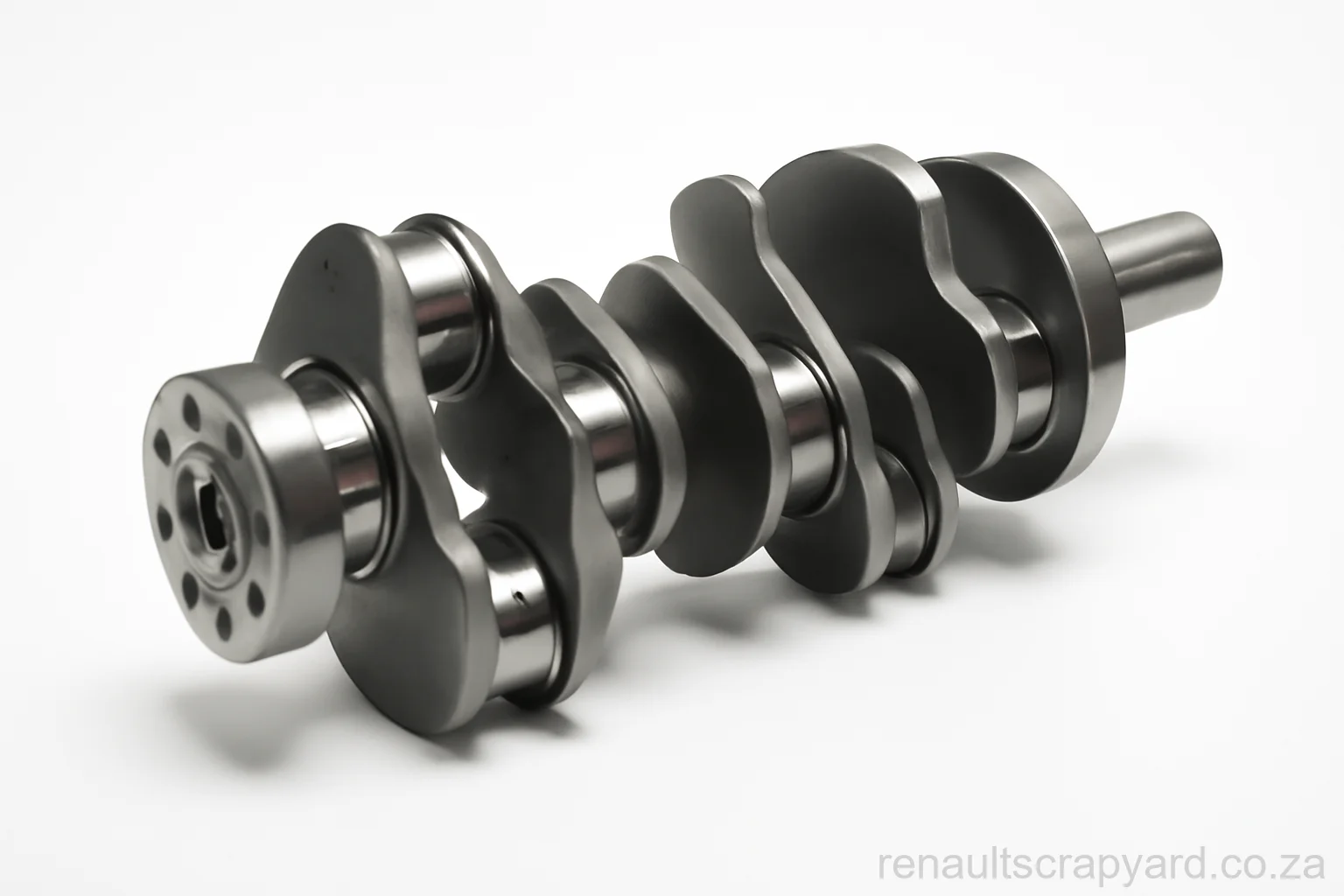
We stock a wide range of used M111 engine parts sourced from Used Mercedes Parts SA's scrap-yard supplier in Centurion. Available components include complete used M111 long-blocks and short-blocks, cylinder heads (8v and 16v), Eaton M62 superchargers and clutch assemblies, intake manifolds, throttle bodies, MAFs, ICVs, crank and cam sensors, thermostat housings, and full ancillary sets. Parts ship nationwide.
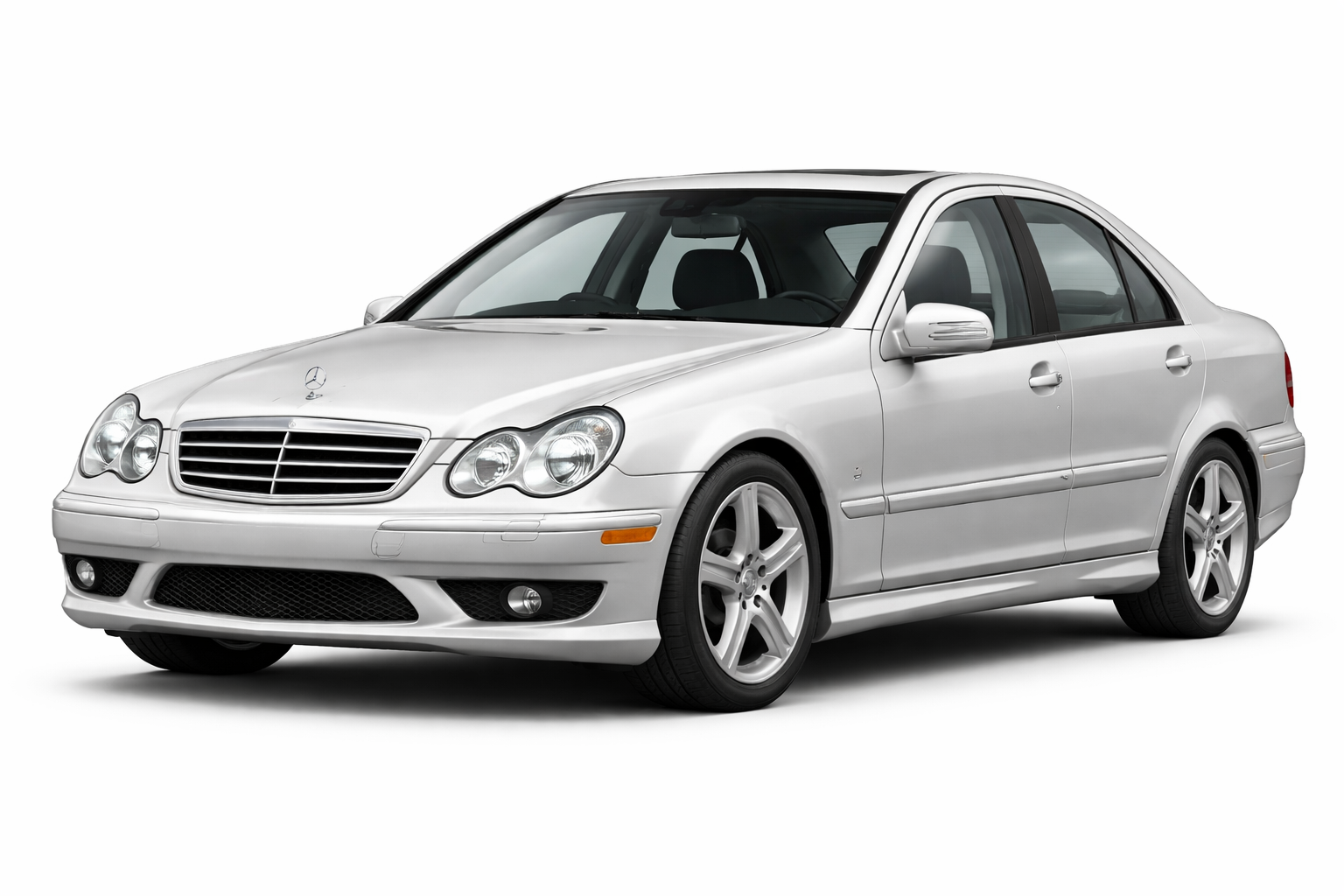
M111s are most commonly fitted to the C-Class W202, C-Class W203, E-Class W210, and Vito — if you're looking for a complete model-specific parts breakdown, browse the model hub for your car.
Need a Used M111 Engine or Part?
Tell us your chassis number and the part you need — we'll come back with availability and pricing.
Frequently Asked Questions
How long does a Mercedes M111 engine last?
A well-maintained M111 will comfortably exceed 350,000 km. The bottom end is robust; failures usually come from neglected cooling systems (head gasket), worn supercharger clutches on Kompressor units, or sensor faults rather than catastrophic mechanical failure.
What's the difference between M111.940 and M111.942?
Both are 16-valve units, but M111.940 is a 1.8L naturally aspirated engine (typically C180), while M111.942 is the 2.0L supercharged Kompressor (C200K). Different displacement, different induction, different output figures.
Is the supercharger on a Kompressor M111 reliable?
The Eaton M62 supercharger itself is mechanically reliable. The wear point is the electromagnetic clutch on the snout, which engages and disengages the pulley. Clutches typically wear out at 150,000–250,000 km and can be replaced separately from the blower.
Can I fit an M111 from a different chassis to my car?
Within the same family yes — for example a W202 C200K M111.942 can swap into a W210 E200K with matching ECU, harness and ancillaries. Cross-fitting between Kompressor and naturally-aspirated specs requires extensive parts changes (intake, exhaust, fuel system, ECU mapping). Always confirm part numbers and ECU compatibility with your supplier before buying.
Do you deliver M111 parts outside Pretoria?
Yes — we ship M111 engines and parts nationwide across South Africa. Let us know your delivery location when you request a quote and we'll include freight in the price.
Related Mercedes Engine Guides
The M111 is part of a wider Mercedes 4-cylinder lineage. Looking for parts for a different engine? Browse the model and category hubs for your specific chassis and component, covering the M104, M111, M112, M113, M271 and OM601-series ranges.